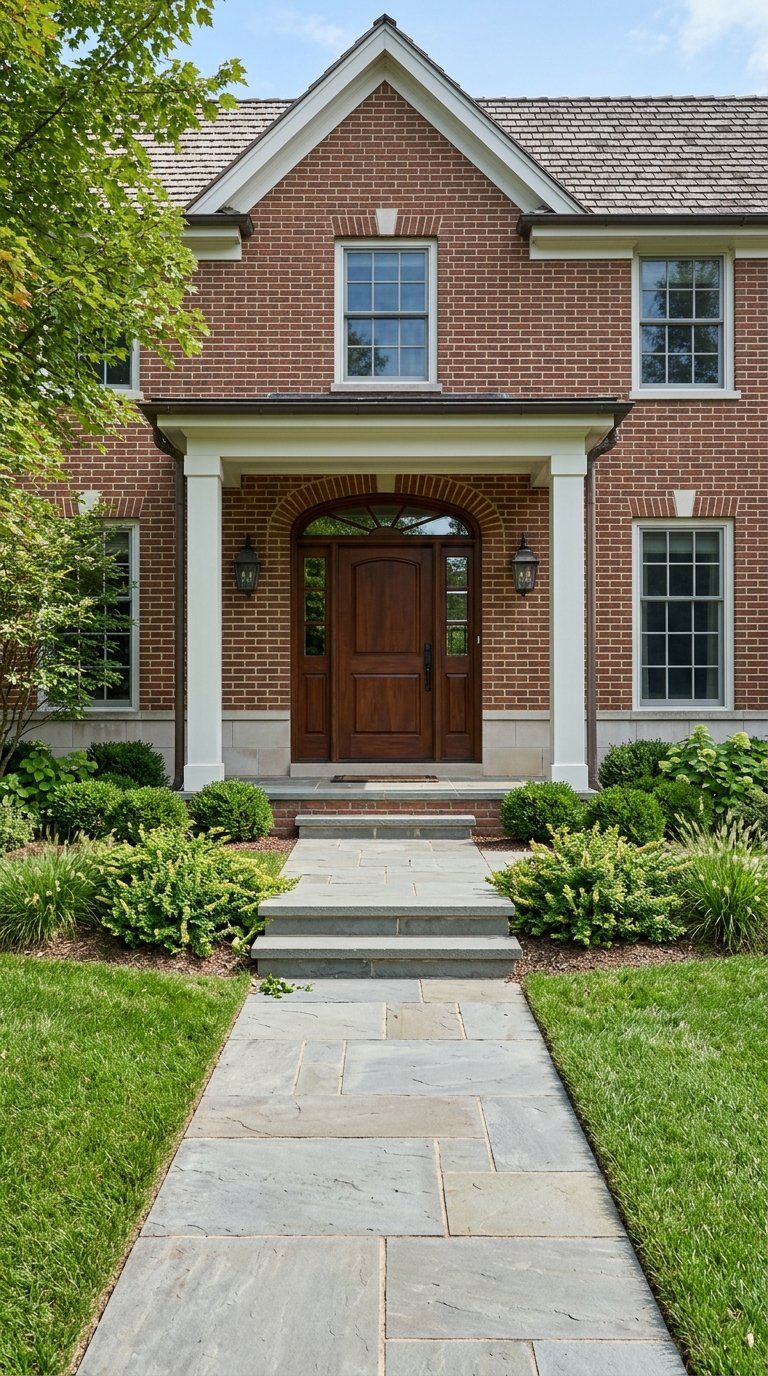
What Small-Town Life Looks Like In Barnesville
June 25, 2026
June 25, 2026
If you are craving more space, quieter roads, and a community that still feels personal, Barnesville may catch your attention in a hurry. This tiny town offers a very different pace from the busier parts of Montgomery County, yet it still stays connected to the region in practical ways. If you are wondering what day-to-day life actually feels like here, this guide will help you picture it more clearly. Let’s dive in.
Barnesville is a very small incorporated town in western Montgomery County, with a 2020 population of 144 residents. That small scale shapes almost everything about life here, from how often you recognize familiar faces to how much of the town still feels quiet and open.
The town was incorporated in 1888, and its local planning authority remains in place because it is a municipality. Town government is handled by unpaid volunteers, with a part-time town clerk, which gives you a sense of how community-driven the town still is.
Barnesville sits within Montgomery County’s 93,000-acre Agricultural Reserve, an area created to preserve farmland and rural open space. That setting is one of the biggest reasons people are drawn here.
Official planning documents describe Barnesville as a rural small town on top of a hill, with views of Sugarloaf Mountain, the Catoctin range, the Blue Ridge, and rolling farmland. If you value open skies, scenic roads, and a landscape that feels protected from rapid change, that character is a major part of the appeal.
West Harris Road adds to that feeling. It is designated as an Exceptional Rustic Road, which helps preserve the country-road atmosphere that many buyers are looking for when they consider this part of up-county Montgomery County.
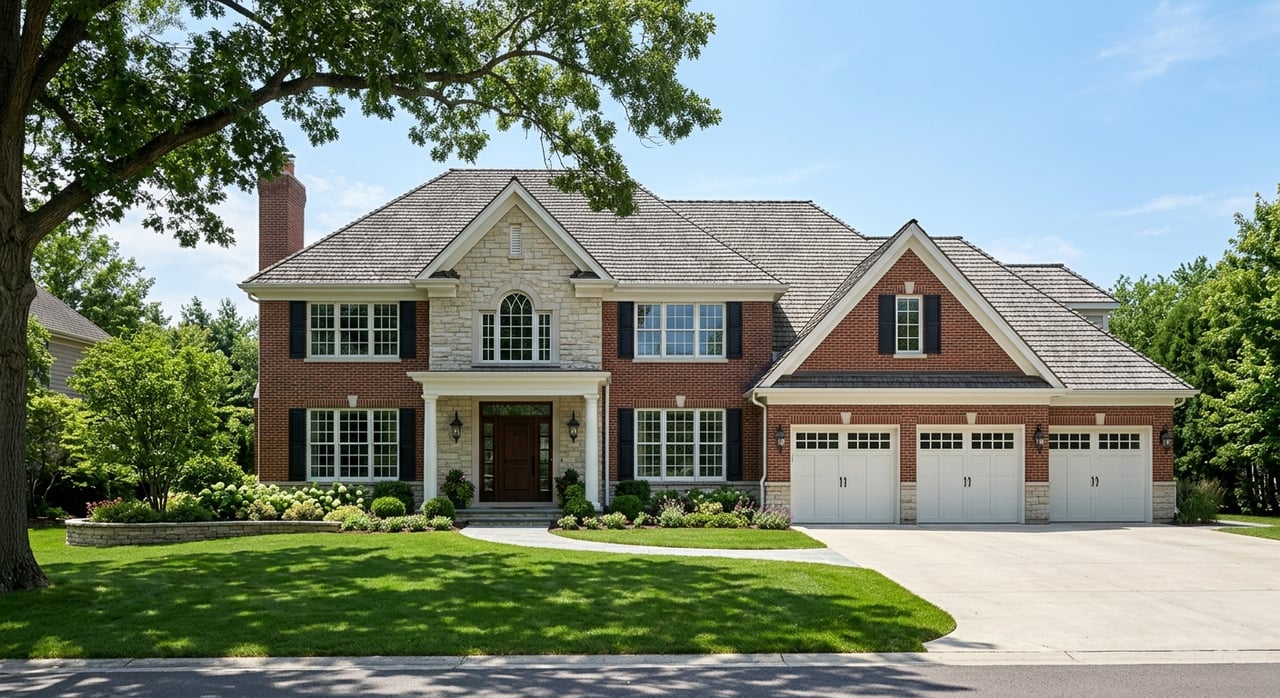
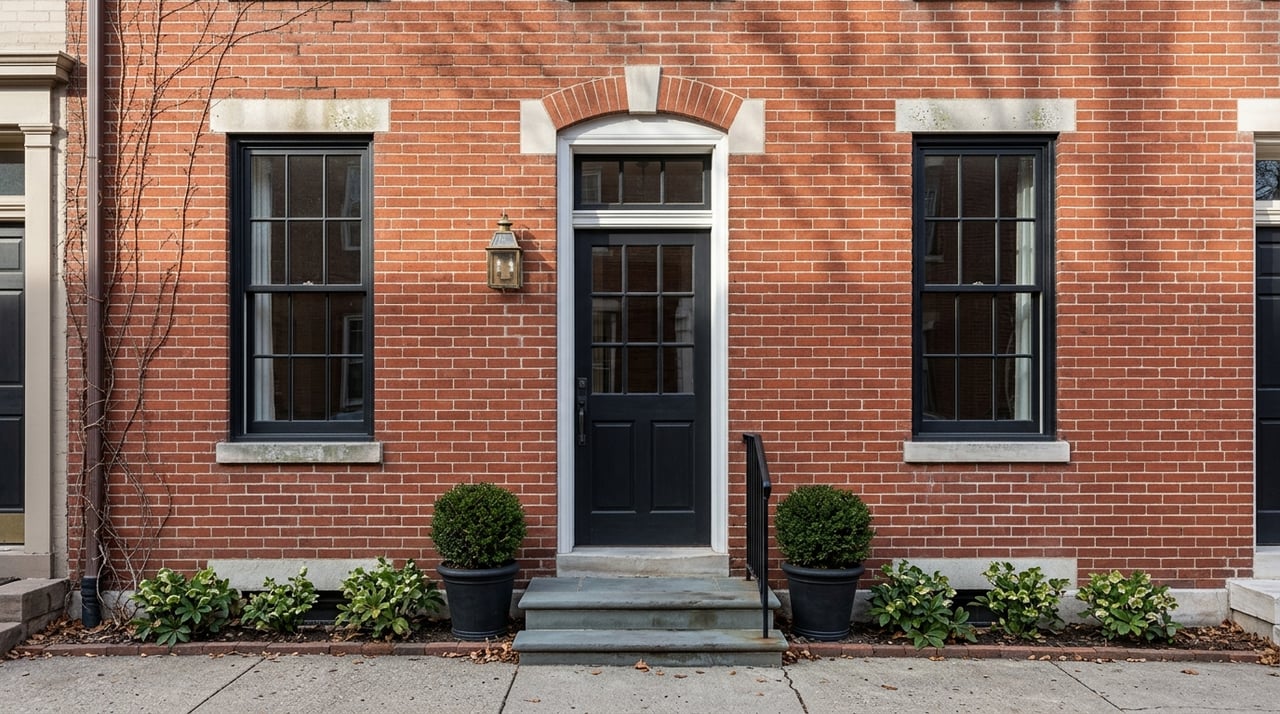
If you expect a large subdivision with rows of similar homes, Barnesville will feel very different. The town’s housing stock is described as mixed, older, and mostly owner-occupied.
More than 90% of the town’s 88 parcels are either single-family dwellings or undeveloped land. That means the housing pattern is primarily residential, with a lower-density feel that fits the town’s rural setting.
For buyers, this often means you may find homes with more individuality, more land, or a less standardized layout than in newer communities. For sellers, that same uniqueness can be part of the value story, especially when buyers are specifically looking for character and setting.
Barnesville is not built around shopping, dining clusters, or a busy retail center. The town’s master plan describes it as a residential community with limited commercial properties.
A few familiar local uses, such as the post office, funeral home, and general store, are noted as grandfathered properties rather than signs of a modern commercial strip. In simple terms, you should think of Barnesville as a place to live, not a place where most errands happen right around the corner.
That matters if you are comparing it with more built-up areas. If you want frequent walkable retail and a long list of nearby services, Barnesville may feel too quiet. If you want a residential setting with very little commercial intrusion, that can be a real advantage.
Small-town life in Barnesville revolves around a handful of shared places. Town Hall, the post office, churches, and Lillard’s Corner pocket park help anchor the community.
These are not flashy amenities, but they matter because they support the town’s identity and daily rhythm. In the town core, residents often walk to the post office, worship services, or a neighbor’s home.
That said, walkability here is modest and practical, not urban-style. Sidewalk coverage is incomplete, and some road shoulders are narrow, so the pedestrian experience depends a lot on where you are and where you are headed.
One of the most important things to understand about Barnesville is that it intentionally remains a small residential town with limited municipal services. The town provides weekly trash and recycling collection, streetlights, and sidewalk maintenance.
At the same time, the town has never provided roads, schools, libraries, water and sewer, or public safety services itself. Planning documents also note that there are no schools, libraries, bus transit, Metro, health or social services, or public safety offices within town.
For many daily needs, residents look to nearby Poolesville, Germantown, and Beallsville. That setup works well for people who value rural living and do not mind driving for errands and services, but it is worth understanding before you make a move.
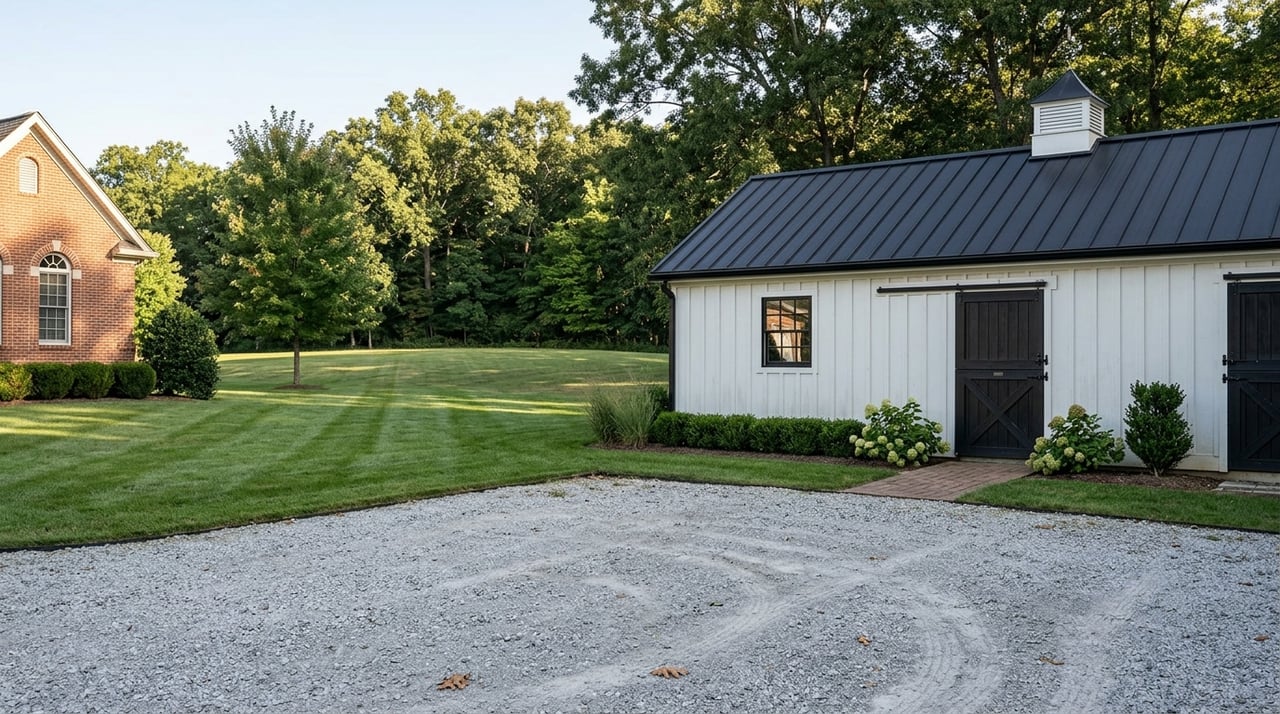
Barnesville’s rural feel is not just visual. Farming is permitted throughout town, and planning documents note that residents keep livestock, gardens, and field crops on larger parcels.
That can be a strong draw if you want a property that feels tied to the land rather than separated from it. It also reinforces that Barnesville is a place where open space and agricultural character are not accidental. They are part of how the town functions.
If you are relocating from a denser neighborhood, this can feel refreshing. It can also require a mindset shift, since the experience is more rural and less convenience-driven than many suburban buyers are used to.
For a town this small, Barnesville has a notably active social calendar. Official town information highlights a spring potluck dinner and town meeting, Halloween celebrations with Lions Club involvement, holiday caroling at the town tree, an annual town dinner, and a July picnic sponsored by St. Mary’s Catholic Church.
The town also relies on volunteers through committees focused on beautification, sustainability, events, and traffic. That volunteer spirit is a big part of what small-town life looks like here.
If you enjoy a place where people pitch in and community traditions still matter, Barnesville has that rhythm. You are not just buying a house here. You are stepping into a town where local involvement is part of the culture.
One of Barnesville’s most interesting advantages is that it pairs a rural setting with commuter rail access. The town is served by the MARC commuter rail system, and Barnesville is listed as a stop on the MTA Brunswick Line.
Current MTA parking details list 77 free parking spaces at the station, which sits just south of the town boundary. That gives some residents an option that is not always available in small rural communities.
This does not make Barnesville a transit-rich environment, because there is no bus transit or Metro in town. Still, if you want country living while keeping a rail connection for commuting, Barnesville stands out in a useful way.
Barnesville tends to make the most sense for buyers who want a quiet rural setting, open views, older homes, and a real small-town calendar. It can also appeal to downsizers who want a peaceful environment and do not need a wide range of nearby in-town services.
It may be a weaker fit if your top priorities are walkable retail, dense transit options, or a broad menu of municipal amenities. The town intentionally keeps commercial use limited and relies on the county and nearby communities for many services.
That is not a downside for everyone. In fact, for the right buyer, that balance is exactly the point.
If you are buying in Barnesville, it helps to focus on lifestyle fit as much as square footage or price. Ask yourself how important rural views, privacy, commuter rail access, and a close-knit community are to your day-to-day life.
If you are selling in Barnesville, your home’s setting, lot characteristics, and connection to the town’s rural identity may play a large role in how buyers respond. Barnesville is a niche market in the best sense of the word, and strong marketing should help buyers understand not just the home, but the lifestyle.
That is where local knowledge matters. A community like Barnesville is easiest to appreciate when someone can explain the details clearly and honestly.
If you are thinking about buying or selling in Barnesville, working with a local agent who understands the Agricultural Reserve, rural property appeal, and the pace of up-county communities can make the process much smoother. For tailored guidance, local insight, and full-service support, connect with James E Brown.
Jim Brown is dedicated to helping you find your dream home and assisting with any selling needs you may have. Contact Jim today to start your home searching journey!