Historic Charm Or New Build? Choosing Homes In Frederick
May 28, 2026
May 28, 2026
Trying to choose between a historic home and a new build in Frederick? You are not alone. Frederick makes this decision more visible than many Maryland markets because it offers both a large historic core and active growth in newer communities. If you are weighing charm against convenience, this guide will help you compare lifestyle, upkeep, and resale factors so you can make a smarter move with confidence. Let’s dive in.
Frederick gives you two very different homebuying experiences in one market. The city’s downtown historic district covers about 50 blocks, and Frederick is recognized for having the largest contiguous collection of historic resources in Maryland. At the same time, Frederick County is planning for major housing growth and says it will need 31,853 new housing units by 2035.
That matters because your decision is not just about house style. It is also about where and how you want to live. In spring 2026, local market data put Frederick’s median sale price around $450,000 and the median listing price around $464,900, which means both historic homes and newer homes can fall within a similar broad price range even if they offer very different ownership experiences.
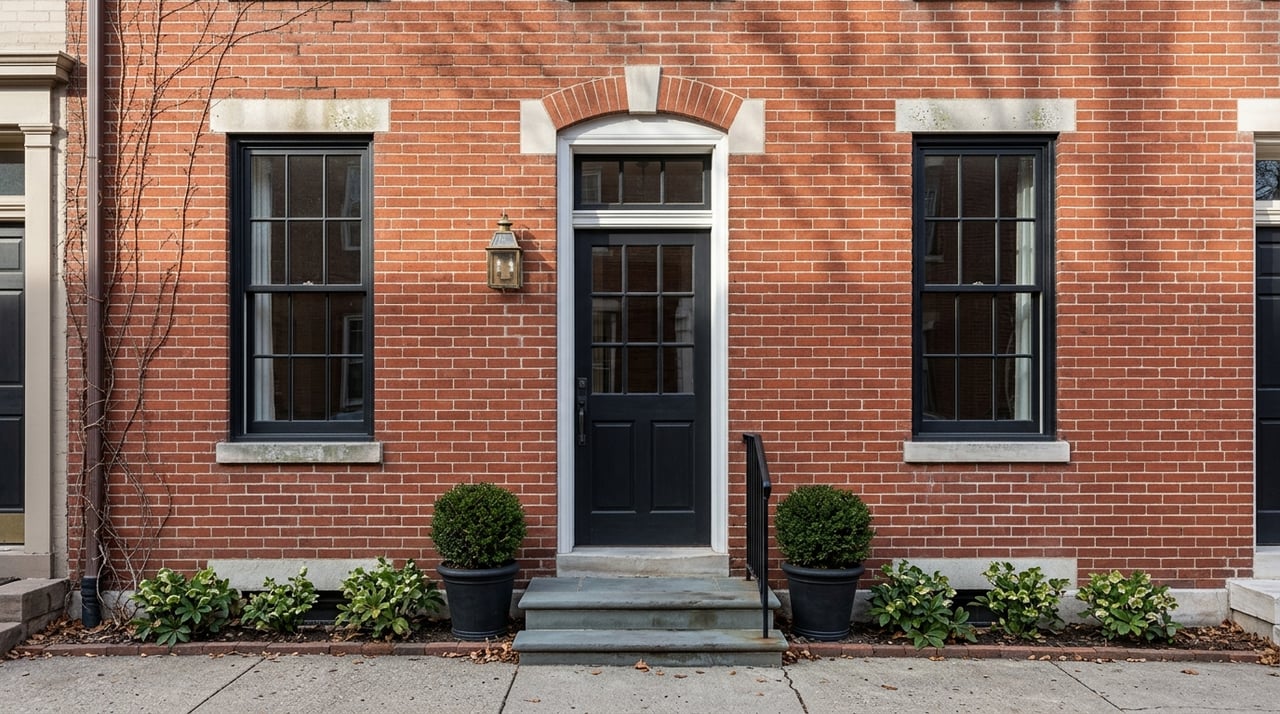
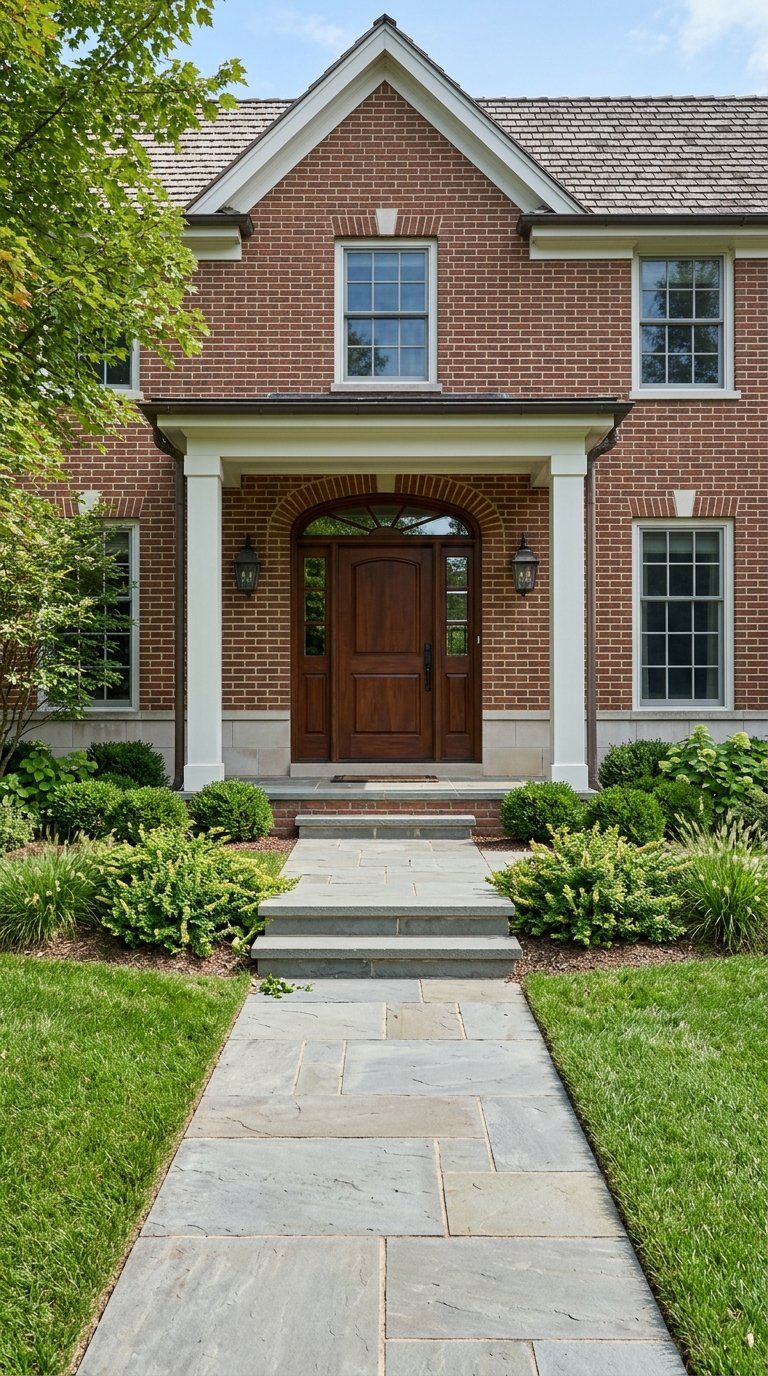
Historic homes in Frederick tend to be concentrated near the downtown core. The city’s preservation guidelines highlight a wide range of architectural styles, including Georgian, Federal, Greek Revival, Italianate, Gothic Revival, Second Empire, Richardsonian Romanesque, and Colonial Revival. If you are drawn to original details, brick exteriors, traditional windows, and distinctive rooflines, this part of Frederick may feel especially appealing.
Downtown Frederick also offers a walkable setting that many buyers value. The city describes downtown as a place where you can access restaurants, craft beverage makers, and specialty shops on foot. Parking options include on-street spaces, public garages, municipal lots, and residential parking options for downtown residents.
For some buyers, that combination of architecture and location is hard to match in newer communities. A historic home can offer a stronger sense of place and a connection to Frederick’s long-established streetscape. If you want character that cannot easily be replicated, older homes near downtown often stand out.
Before you fall in love with a historic property, it is important to understand the approval process. In Frederick’s Historic Preservation Overlay, the Historic Preservation Commission must approve exterior work other than minor rehabilitation. That can affect how you plan repairs, upgrades, and long-term maintenance.
The city’s guidelines favor preserving and repairing original features instead of replacing them. For example, historic wood windows are generally expected to be repaired rather than replaced with vinyl, clad, or metal versions. Slate roofs should also be repaired if feasible before replacement is considered.
That does not mean owning a historic home is a bad idea. It simply means you should go in with clear expectations. If you enjoy stewardship and are comfortable following preservation standards, the tradeoff may feel worthwhile.
Older homes often come with age-related maintenance items that need a closer look. In Frederick, the city notes that lead paint is found in a majority of older houses. For pre-1978 homes, renovation or repair work can create hazardous lead dust if lead-safe practices are not used.
You will also want to look carefully at masonry, roofing, and windows. According to preservation guidance cited in the research, historic windows can often function well for more than a century and are usually better repaired than replaced when possible. That can help preserve character, but it may also affect your maintenance budget and timeline.
One upside for eligible owners is that the City of Frederick offers a 25% property tax credit for qualified exterior rehabilitation work in the Historic District Overlay, up to $7,500. Depending on the property type and scope of work, additional state or federal historic incentives may also be available in some cases.
If you are comparing an older home with a newer one, this is worth factoring into your math. A historic home may require more specialized care, but some of those costs can be partially offset. The key is understanding eligibility before you buy, not after.
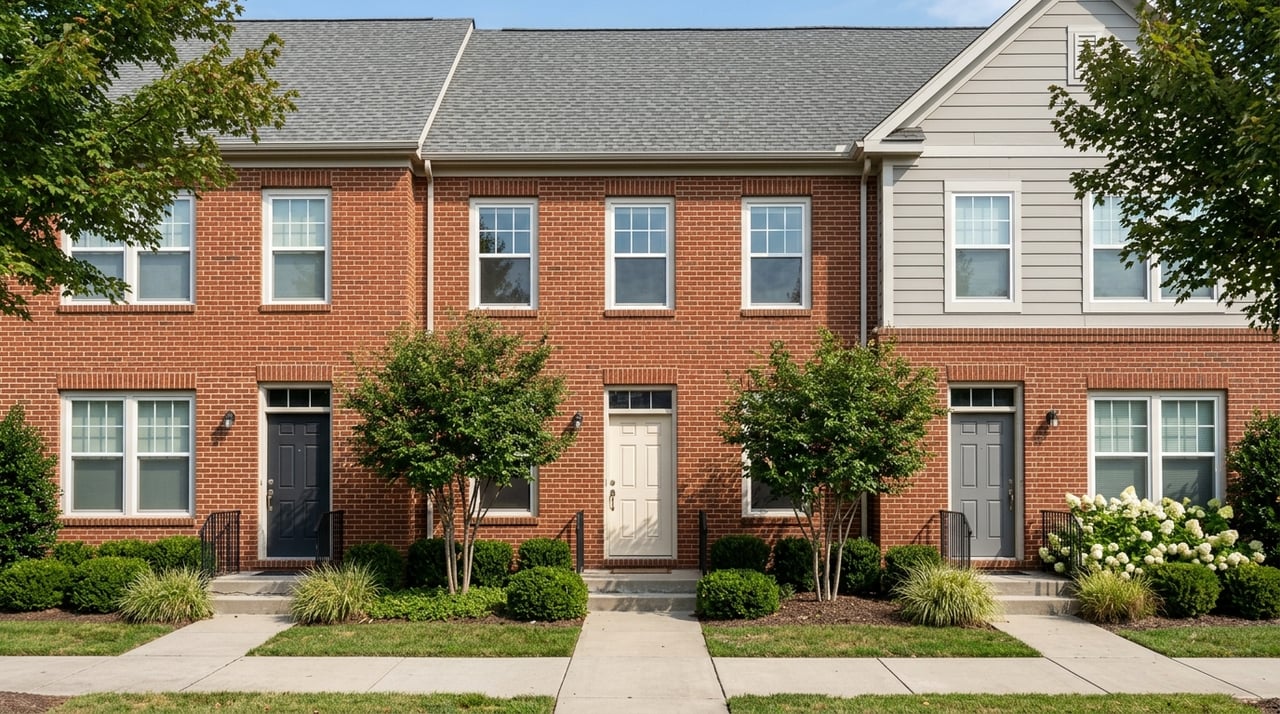
Newer construction in the Frederick area is generally found in growth areas outside the downtown historic core. Frederick County’s housing planning focuses on increasing housing choice, improving livability, and connecting homes with services and amenities in designated growth areas. The county points to places such as Ballenger Creek, Jefferson Pike Employment District, Linganore, Spring Ridge/Bartonsville, and Monrovia as part of that broader planning framework.
In practical terms, newer homes often appeal to buyers who want a simpler ownership profile. You may have fewer legacy materials to deal with and fewer immediate restoration projects. For many buyers, that means more predictable near-term upkeep.
The county also notes that single-family detached homes are the most common housing type, followed by single-family attached townhomes. Many newer townhome and apartment communities, including Gambrill Glen, Preserve at Tuscarora, and Upper East Apartments, are part of the effort to increase supply and relieve market pressure.
If your priority is convenience, newer communities may line up better with your goals. You may prefer a home in an area shaped by current planning, expanding infrastructure, and future housing supply. That can be especially attractive if you want more modern layout preferences or a neighborhood that is part of a broader growth strategy.
This is where your day-to-day routine matters. Commute patterns, access to nearby services, and how much future development is planned nearby can all shape whether a newer home feels like the better fit. In Frederick, that comparison is often less about better or worse and more about matching your lifestyle.
When buyers compare these options, the smartest approach is to think in micro-markets. Downtown Frederick draws a different buyer pool than planned growth areas. Heritage appeal, walkability, and preservation rules create a different experience than newer communities shaped by county housing policy and new supply.
A citywide average price cannot tell you everything you need to know. Instead, focus on the property itself, the surrounding area, and the kind of ownership experience you want. That will usually lead to a better decision than relying on broad labels like historic or new build alone.
If you are considering an older home near downtown, ask these questions early:
These answers can help you understand not just the home’s charm, but the responsibilities that come with it.
If you are leaning toward newer construction, focus on a different set of questions:
These questions can help you judge convenience, future marketability, and how the home may function for your next chapter.
Frederick’s preservation mission includes stabilizing and improving property values, which helps explain why well-kept historic homes can continue to attract strong buyer interest. Buyers often value downtown location, walkability, and architectural character. Those features can make a historic home feel more distinct in the market.
Newer homes often appeal to buyers who want easier upkeep and more recent construction. That can create a broader audience among people who prioritize convenience and a lower-friction ownership experience. In resale terms, historic homes may be more differentiated by character and place, while newer homes may attract buyers looking for simplicity and predictability.
Neither path is automatically better. The stronger resale choice often depends on the specific micro-market, the condition of the home, and what future buyers are likely to value in that location.
A historic home may be the better fit if you care most about architectural detail, downtown access, and owning a home with a strong sense of place. You may also be comfortable with preservation rules, repair planning, and the realities that come with an older property.
A newer home may be the better fit if you want more predictable maintenance, a location in a planned growth area, and a simpler path into homeownership. That can be especially appealing if you are relocating, balancing a commute, or simply want fewer unknowns in the first few years.
In Frederick, the right choice usually comes down to three things: your maintenance tolerance, the neighborhood feel you want, and the likely resale audience for the property you choose. When you weigh those factors carefully, the answer becomes much clearer.
If you are sorting through Frederick neighborhoods, comparing an older home to a new build, or trying to understand which option fits your long-term plans, James E Brown can help you evaluate the tradeoffs and move forward with confidence.
Jim Brown is dedicated to helping you find your dream home and assisting with any selling needs you may have. Contact Jim today to start your home searching journey!