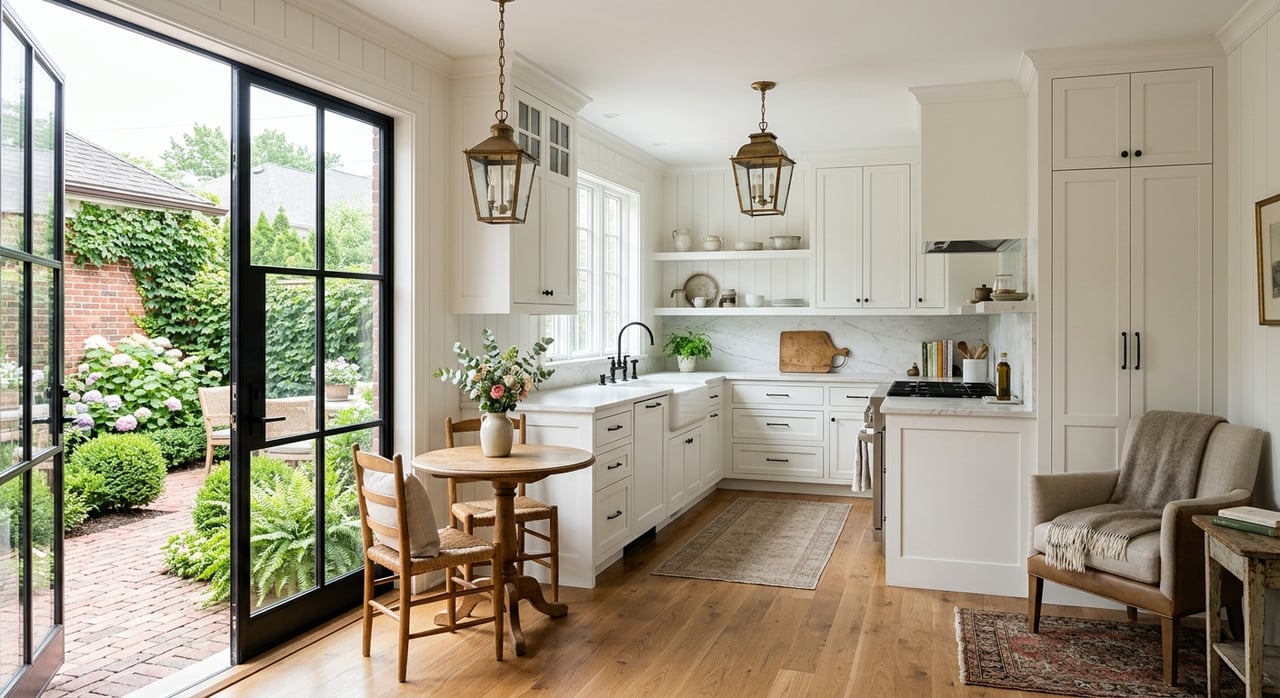
Downsizing Within Potomac: From Estate Home To Easy Living
July 16, 2026
July 16, 2026
If you have spent years in a large Potomac home, downsizing can feel both exciting and overwhelming. You may be ready for less upkeep, simpler living, and more flexibility, but you also want to make a smart move that fits your lifestyle and finances. The good news is that you have options, and a clear plan can make the transition much easier. Let’s dive in.
Downsizing is especially relevant in Potomac because many homeowners have deep roots in their homes and substantial equity. Census Bureau data shows an 84.8% owner-occupied housing rate in Potomac, a median owner-occupied home value of $1,157,000, and 24.2% of residents age 65 and older. It also reports that 90.8% of residents lived in the same house one year earlier.
That stability matters. In Potomac, moving is often less about urgency and more about choosing a lifestyle that better matches your next chapter. If your home once fit a busy household but now feels like too much to maintain, downsizing can be a practical way to stay in control of your time, budget, and daily routine.
Montgomery Planning also reports that older adult households countywide are more likely to own their homes and more likely to live in single-family detached houses than the county average. That helps explain why leaving a large home can feel emotional. You are not just changing square footage. You are changing a long-established way of living.
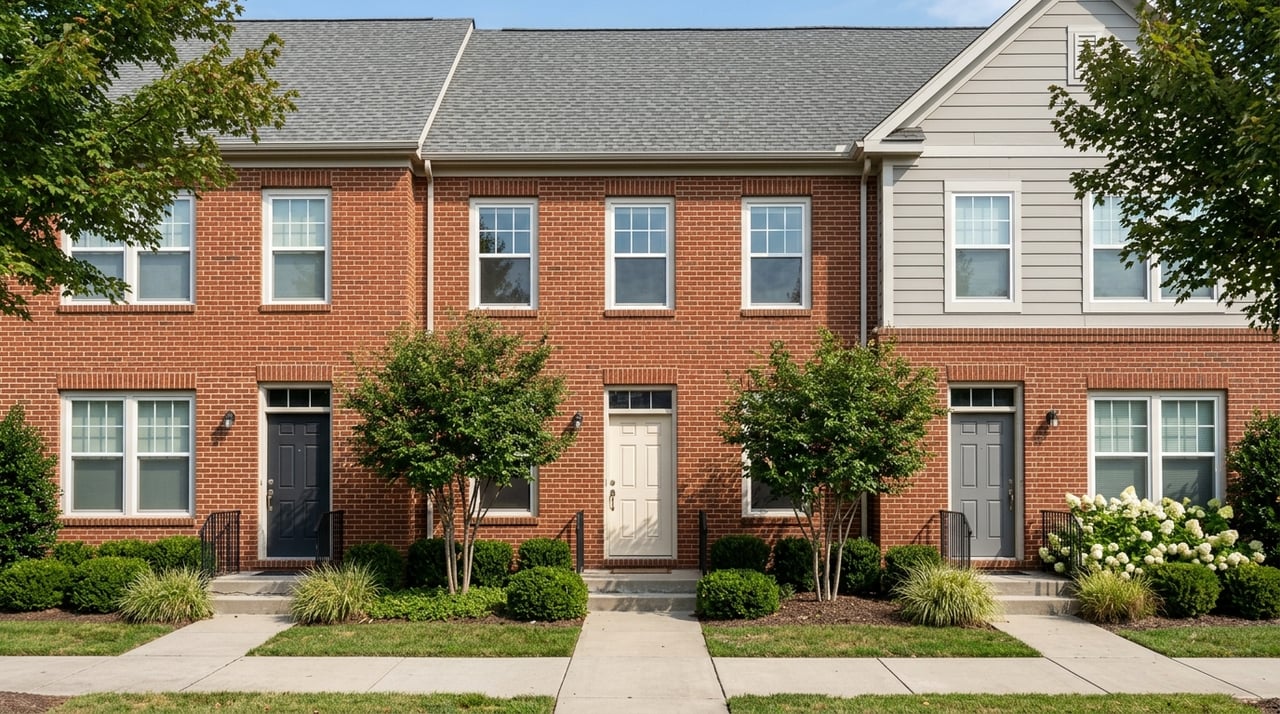
Downsizing does not mean the same thing for every homeowner. For one person, it means moving from an estate home to a townhome with less exterior work. For another, it means choosing a condo, an active-adult home, or even an independent-living rental.
Montgomery Planning’s older-adult profile outlines several common options:
These categories matter because they come with very different costs, services, and lifestyles. A low-maintenance townhome may reduce yard work, while a condo may reduce both interior and exterior demands. A CCRC offers a broader care structure, which may appeal if you are planning further ahead.
If your goal is to stay in Potomac, it is important to go in with realistic expectations. Montgomery Planning’s Potomac subregion analysis says that zoning, land values, and infrastructure limit multifamily development in Potomac. In simple terms, that can mean fewer true lock-and-leave options within Potomac itself compared with denser parts of Montgomery County.
That does not mean you cannot find the right fit. It does mean your search may require more comparison shopping and a wider view of nearby areas. Some downsizers begin with Potomac proper, then expand to other Montgomery County locations that offer more condos, townhomes, or age-focused housing choices.
Countywide planning trends also point toward more townhouses and multifamily housing over time because there is not enough land to meet demand through single-family development alone. For you, that can translate into more varied downsizing options across the county than you may find in Potomac alone.
Before you make a move, it helps to compare the most common paths side by side.
| Option | Best fit for | What to consider |
|---|---|---|
| Condo or co-op | Owners who want less exterior maintenance | Monthly fees, building rules, storage, parking |
| Townhome | Owners who want less yard work but still want more privacy than a condo | HOA fees, stairs, shared walls, exterior responsibilities |
| Smaller detached home | Owners who want to keep more independence and privacy | Ongoing maintenance, but often less than an estate property |
| Active-adult homeownership | Owners seeking low-maintenance 55+ ownership | Age restrictions, HOA structure, long-term fit |
| Independent-living rental | Owners ready to stop owning altogether | Rental costs, services included, flexibility |
| CCRC | Owners planning for future care needs | Entry costs, monthly fees, service levels |
The right choice depends on how you want to live day to day. Think beyond square footage and ask yourself what you want less of and what you want more of. Less driving? Less maintenance? Fewer stairs? More flexibility? More built-in services?
One of the biggest downsizing mistakes is focusing only on sale price or purchase price. A smaller home may cost less to buy, but that does not automatically mean it costs less to own each month.
For example, exterior maintenance on a large property may be replaced by condo or HOA fees in a smaller property. The work may go away, but the expense shifts. That is why it is smart to compare your full monthly carrying cost, including:
Montgomery Planning’s Q4 2024 housing data shows detached homes sell for significantly more than townhomes, while condos and co-ops provide many of the county’s more affordable ownership opportunities. The same report shows an average Q4 2024 condo or co-op sold price of $406,730 countywide.
That does not mean every condo is the right answer. It does mean many downsizers can unlock equity from a large Potomac sale and use that equity in very different ways, depending on the kind of home they choose next.
When you sell and buy in Montgomery County, closing costs deserve careful attention. Montgomery County says the county transfer tax is typically 1% of the selling price. Maryland’s transfer tax rate is 0.5%.
It is also important to remember that recordation tax is separate from transfer tax. In other words, your total closing costs can be higher than the transfer-tax headline alone suggests. If you are planning a move from an estate home to a smaller property, a clear estimate of sale proceeds and purchase costs can help you avoid surprises.
Property taxes are another area where downsizers can get caught off guard. Montgomery County’s Homestead Tax Credit caps taxable assessment increases at 10% for principal residences, but the county says that credit does not apply in the first year after a purchase.
That means your first-year tax bill in a downsized home may look noticeably different from the tax bill you were used to in your current home. Montgomery County also requires sellers of owner-occupied principal residences to estimate and disclose the subsequent levy-year property tax for buyers. That requirement exists because the future tax picture may differ from the current owner’s bill.
If taxes are a major part of your planning, it is worth reviewing those numbers early, not after you are already under contract.
Depending on your age, income, assets, and ownership history, you may also want to review county tax relief programs before and after a move. Montgomery County says the Homeowners’ Property Tax Credit and county supplement are income- and asset-tested, with applications due October 1. Homeowners age 70 and older may file retroactively for three prior years.
The county also offers a Senior Property Tax Credit for qualifying homeowners age 65 and older with a principal residence. It says no separate senior application is needed if the homeowner tax credit application is already on file.
There is also a separate county credit for certain homeowners age 65 and older who have owned and lived in the home for 40 consecutive years, or who are retired military. The county says that application is due April 1. For eligible homeowners who need additional flexibility, Montgomery County also offers a Senior Property Tax Deferral Program.
Downsizing is not always the best answer. In some cases, staying in your current home and making it easier to live in may be the better move.
Montgomery County offers Design for Life certification for accessible homes and a Home Accessibility Rehabilitation Program, also known as HARP, for renovation support. The county also says villages are volunteer-led groups that support aging in place. These resources can be useful if you love your location and want to keep the home you already know.
If you are on the fence, start by comparing two paths:
The right answer depends on your health, budget, support system, and how much of your current home you still want to maintain.
A successful downsizing move usually starts well before you list your home. The more time you give yourself, the more control you will have over decisions, timing, and next steps.
A practical plan often includes:
This process is about more than finding a smaller address. It is about designing the next phase of homeownership in a way that supports how you actually want to live.
In a market like Potomac, downsizing often involves a high-value sale, an emotional transition, and a limited pool of low-maintenance options nearby. That is why local guidance matters. You want someone who understands how to position a larger home for the market, how to evaluate replacement options realistically, and how to help you think through the move as a whole.
If you are considering a move from an estate home to easier living, the best first step is often a conversation about your timing, goals, and likely options. To get a free home valuation or talk through your next move, connect with James E Brown.

Jim Brown is dedicated to helping you find your dream home and assisting with any selling needs you may have. Contact Jim today to start your home searching journey!