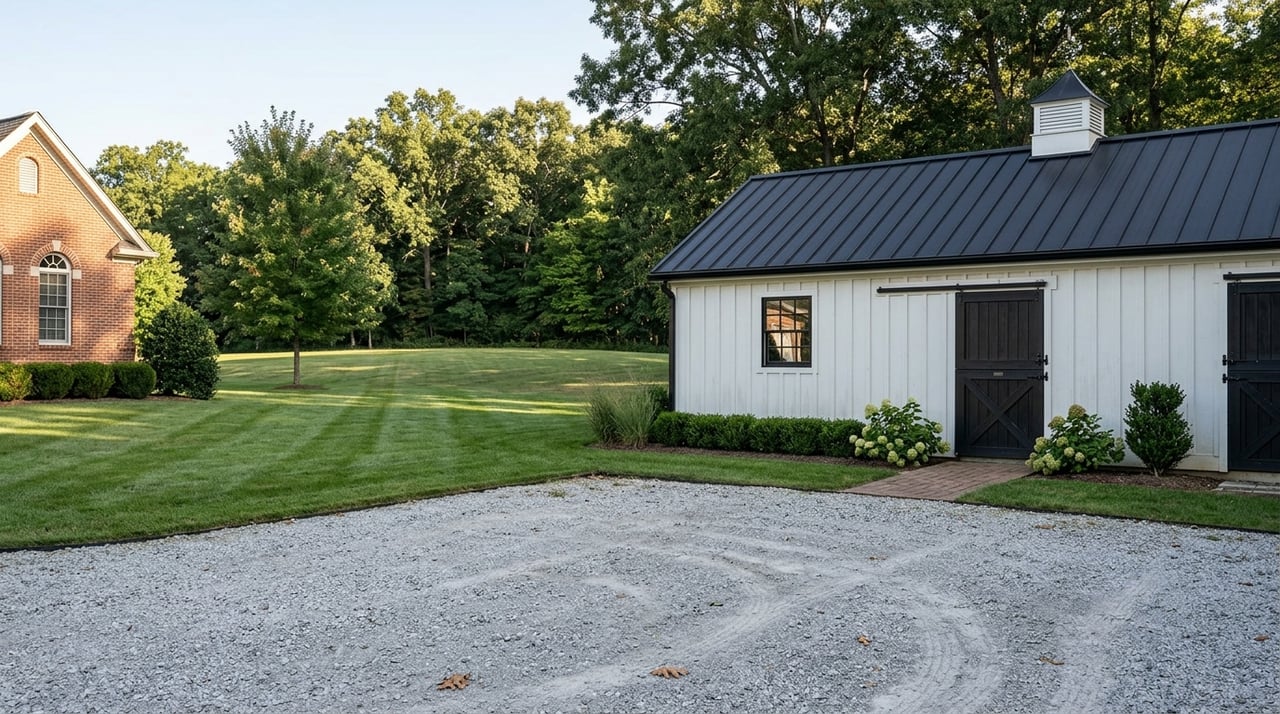
Outdoor And Equestrian Living In Darnestown, Maryland
June 11, 2026
June 11, 2026
If you want more room to breathe without leaving Montgomery County behind, Darnestown deserves a close look. For many buyers, the appeal is simple: more land, better access to trails, and a setting that feels quieter and more open than denser suburbs. If you are curious about outdoor space, horse-friendly living, or the day-to-day reality of owning a larger property here, this guide will help you understand what makes Darnestown distinct. Let’s dive in.
Darnestown is part of Montgomery County’s Upcounty, an area known for its rural landscapes, agricultural land, and lower-density development patterns. Planning documents describe Darnestown as the westernmost area in the Potomac Subregion, with much of the area zoned Rural Cluster to support agricultural uses and low-density residential development while protecting scenic and environmentally sensitive land.
That planning framework matters because it shapes how the community looks and feels today. Instead of a fully built-out suburban grid, you are more likely to find a semi-rural setting with larger lots, open land, and a small village-style center. Montgomery Planning also notes that Darnestown Village Center has largely retained its rural-village character.
One of Darnestown’s biggest strengths is how easily you can get outside. This is not just about having a big yard. It is about living near parks, trails, and conservation areas that support an active lifestyle.
For buyers who enjoy walking, trail riding, biking, or spending more time in nature, Darnestown offers unusually strong access for a semi-rural suburb. That combination of privacy and recreation is a major reason people are drawn to this part of Montgomery County.
Blockhouse Point Conservation Park sits right in Darnestown at 14750 River Road. The park offers more than 7 miles of natural-surface trails, and while most are hiking-only, some are designated for both hikers and equestrians.
That equestrian access is especially important if you want nearby places to ride without planning a full day trip. Montgomery Parks also notes that the main parking lot can accommodate horse trailers, which makes the park more practical for riders.
The Muddy Branch Greenway Trail adds another layer of outdoor access. This 9-mile trail is open to hiking, biking, and horseback riding, and it connects from Darnestown Road near American Way to Blockhouse Point and the C&O Canal towpath.
For everyday living, that means you are not limited to one isolated trailhead. You have a connected recreation corridor that supports several types of outdoor use, which is a strong lifestyle feature for both equestrian and non-equestrian buyers.
Darnestown also benefits from major outdoor destinations nearby. Seneca Creek State Park includes 6,300 acres along 14 scenic miles of Seneca Creek and offers more than 50 miles of trails for hiking, horseback riding, and bicycling.
The park specifically identifies the Schaeffer Farm Trails as a favorite place to ride. If you want even longer trail options, the C&O Canal towpath allows horses on 160 of its 184.5 miles, subject to park rules such as no riding after dark and manure removal requirements.
If horses are part of your lifestyle, Darnestown fits naturally into a broader county setting that already supports equestrian activity. Montgomery County’s Agricultural Reserve spans 93,000 acres and is valued for both farm preservation and recreation, including horseback riding.
County agriculture data also show that horses and equestrian facilities are a meaningful part of the local agricultural economy, with roughly 2,814 reported horses and 207 horse farms. That does not mean every Darnestown property is horse-ready, but it does show that equestrian use is an established part of the surrounding landscape.
Buyers coming from more conventional suburbs often notice right away that Darnestown does not follow a one-size-fits-all housing pattern. The area’s planning history points to low-density development, larger lots, and a mix of residential forms shaped by rural planning goals.
In one section of Darnestown, Montgomery Planning described lots ranging from 25,800 to 194,300 square feet, with an average lot size of 47,000 square feet. The same planning work recommended RE-1 zoning with a 40,000-square-foot minimum lot size to better match the area’s existing character.
In practical terms, Darnestown is more likely to offer estate-style lots, rural-cluster subdivisions, and a modest village center than a dense concentration of townhomes or apartment buildings. That lower-density identity is reinforced by planning guidance and by the fact that parts of the area were intended to remain on septic rather than shift to community sewer.
For you as a buyer, this changes both the feel of the neighborhood and the questions you need to ask. The appeal is often privacy, open views, and separation between homes, but those benefits usually come with more property-specific considerations.
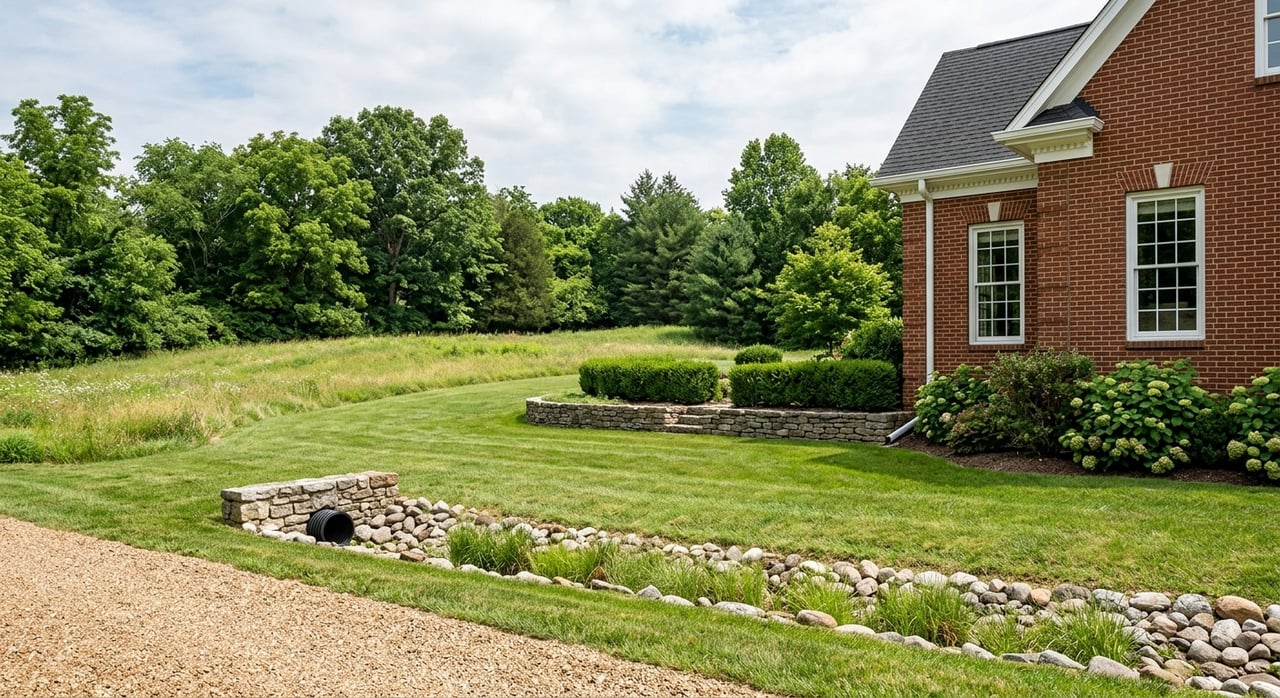
More land can be a great lifestyle upgrade, but it also comes with more responsibility. If you are moving up from a smaller suburban lot, the adjustment is not just about mowing more grass. It can include fencing, drainage, pasture care, and utility systems that require closer attention.
This is especially true for buyers considering horse-friendly properties or acreage with open ground. The systems that support these homes are often more hands-on than what you would expect in a standard subdivision setting.
University of Maryland Extension’s equine rotational-grazing demonstration site highlights the kinds of features horse properties often need. These can include rotational pastures, a sacrifice or loafing lot, heavy-use areas, fencing, water access, and manure handling systems.
The same guidance explains that rotational grazing can help maintain pasture cover, improve forage quality, and better balance nutrient load on the land. If you are evaluating a property for equestrian use, these are not small details. They are central to how the land functions over time.
Maryland guidance for horse owners also recommends diverting runoff away from paddocks, planting vegetative cover on steep slopes, installing heavy-use pads, and using stream-protection measures to reduce erosion and sediment loss. These are practical considerations that affect maintenance, land condition, and long-term usability.
There are also regulatory considerations. Maryland states that horse operations with 8,000 pounds or more of live animal weight, or at least $2,500 in gross income, must use an approved nutrient management plan.
For rural and semi-rural buyers, utility assumptions can create problems. Montgomery County’s growth-tier system identifies Tier III as large-lot development and rural villages on septic systems, with the goal of controlling septic-field growth, protecting agriculture, and directing growth toward areas with existing infrastructure.
That means you should confirm well and septic status on a parcel-by-parcel basis in Darnestown. You also should not assume the same redevelopment potential, utility setup, or expansion options you might find in a more typical suburban neighborhood.
Darnestown can be a strong fit if you want a more outdoor-oriented lifestyle without giving up access to the broader Montgomery County area. You may be especially drawn to it if you value larger lots, trail access, and a quieter setting with a defined rural edge.
It can also appeal to buyers relocating from denser neighborhoods who want more privacy and more usable land. The key is understanding that the benefits of space often come with added maintenance and more property-specific due diligence.
If you are considering Darnestown, it helps to evaluate each property through both a lifestyle lens and a practical one. A beautiful lot is only part of the story.
Here are a few smart questions to ask as you search:
When you match the property to how you really want to live, Darnestown can offer something special: space, access to the outdoors, and a setting that still feels connected to Upcounty Montgomery County’s rural identity.
If you are thinking about buying or selling in Darnestown, James E Brown offers local guidance grounded in Upcounty market knowledge, acreage property experience, and hands-on service.
Jim Brown is dedicated to helping you find your dream home and assisting with any selling needs you may have. Contact Jim today to start your home searching journey!