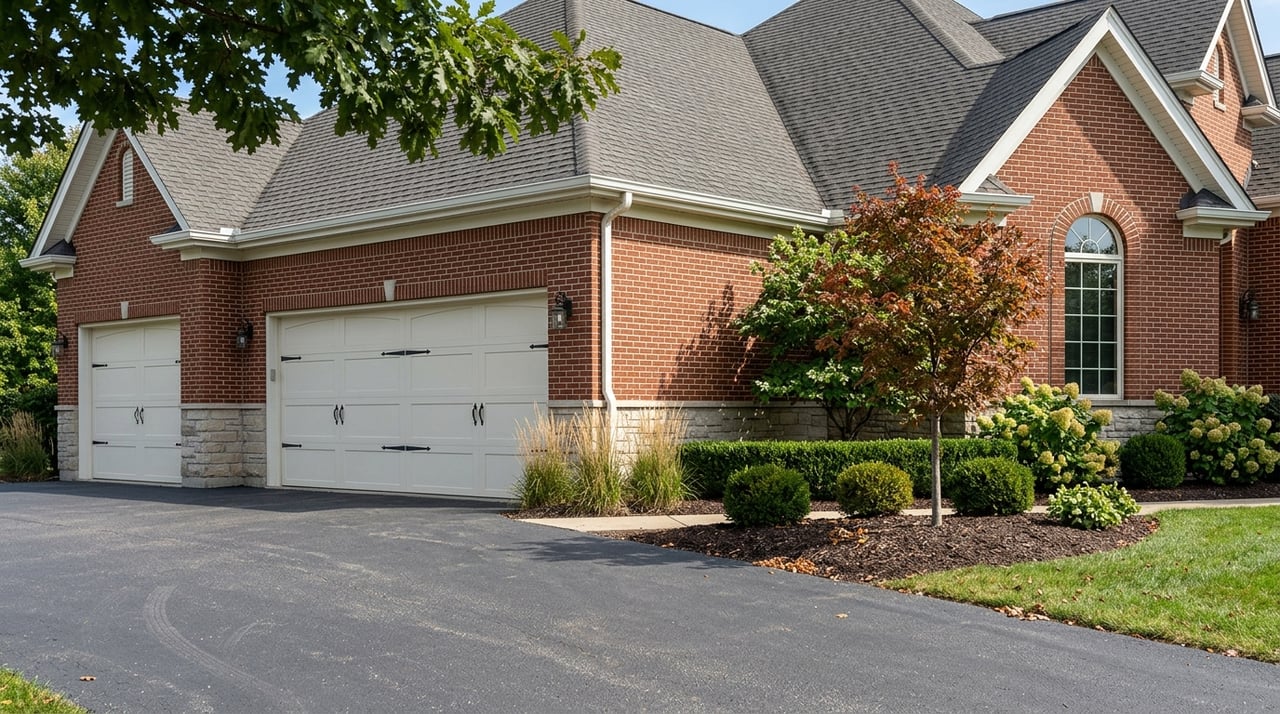
Is It Time To Move Up From Your Poolesville Starter Home?
May 7, 2026
May 7, 2026
Are you starting to feel like your first home in Poolesville no longer fits the way you live? That is a common turning point for homeowners who love the area but need more space, more land, or a layout that works better for the next chapter. If you are wondering whether it makes sense to move up now, this guide will help you weigh the local market, your finances, and your options close to home. Let’s dive in.
For many homeowners, a move-up decision is not about leaving Poolesville. It is about staying connected to the town while finding a property that better matches your current needs.
That might mean more bedrooms, a dedicated office, a bigger yard, room for pets or equipment, or a home that feels more practical long term. In and around Poolesville, it often also means looking for more land, not just more square footage.
Poolesville has a distinct local character that shapes this decision. The Town’s planning documents emphasize preserving small-town charm and focusing on quality over rapid growth, while the surrounding Agricultural Reserve limits broad suburban-style expansion and helps protect the rural setting.
Because of that, larger lots and acreage properties can be harder to find than they would be in a more typical subdivision market. If your starter home feels tight, the next step may exist nearby, but the search often requires more planning and patience.
Poolesville is a small, mostly owner-occupied community. Census QuickFacts estimates a 2024 population of 5,856, an owner-occupied housing rate of 95.9%, and a median value of owner-occupied homes of $672,300.
That matters because highly owner-occupied markets often have fewer casual sellers. When more people tend to stay put, move-up buyers may face limited choices, especially for homes with larger lots or special features.
The broader county market also remains competitive. March 2026 Maryland REALTORS data show Montgomery County with a median sales price of $650,000, 1.8 months of inventory, and a median of 8 days on market.
In plain terms, homes are still moving quickly. If you want to move up within Montgomery County, you will likely need a clear budget, a realistic plan for your current home, and a fast decision process when the right property appears.
A starter home can be a great first step, but it is not always meant to serve every stage of life. If your day-to-day routine feels harder than it should, your home may be telling you it is time to reassess.
Here are a few common signs Poolesville homeowners start thinking about a move-up home:
In this area, the shift is often about lifestyle fit. You may not want a different community at all. You may simply want a home that gives you more breathing room while keeping the local ties you value.
One of the biggest differences between moving up in Poolesville and moving up in a conventional suburban market is land availability. Poolesville’s planning framework and Montgomery County’s Agricultural Reserve were designed to protect rural character and limit large-scale development.
The Agricultural Reserve covers 93,000 acres and limits development to one house per 25 acres. That does not mean move-up opportunities do not exist, but it does mean larger parcels are naturally scarcer.
This scarcity affects both search strategy and pricing expectations. If your goal is acreage, a hobby use, or more flexibility for outbuildings, it is smart to look at zoning and property-specific limitations early, not after you fall in love with a listing.
Poolesville’s zoning approach also emphasizes flexibility for commercial, agricultural, and agriculturally compatible uses. That can create opportunity, but it also means each property should be evaluated based on its actual rules and permitted uses.
If school fit is part of your move-up plan, do not assume a nearby address will automatically align with the school you expect. In Poolesville, public school assignment is based on school boundaries, not simple proximity.
The town is served by Poolesville Elementary School, Monocacy Elementary School, John Poole Middle School, and Poolesville High School. Even with a small local cluster, address-level verification still matters.
This is especially important if you are buying a home meant to serve your household for years. A quick boundary check early in the process can help you avoid disappointment and narrow your search more effectively.
The purchase price is only part of the equation. A move-up decision works best when you look at the full monthly payment, cash needed at closing, and likely carrying costs after the move.
According to the CFPB, lenders typically review your income, assets, employment, savings, monthly debts, and credit history when deciding whether you can carry a mortgage. That means your next step should usually begin with a fresh conversation with a lender, even if you bought your current home years ago.
Closing costs also matter. The CFPB says they typically run about 2% to 5% of the purchase price, and while a 20% down payment can improve approval odds, smaller down payments may be possible and can trigger mortgage insurance.
Mortgage rates are also part of the math. Freddie Mac reported an average 30-year fixed rate of 6.30% on April 30, 2026, which makes payment planning just as important as the sticker price of the home itself.
Your current home may be the key to making a move-up purchase possible. If you have built equity, it can potentially help with your down payment, closing costs, or overall buying power.
Some homeowners also explore home equity loans or HELOCs. The FTC notes that these options let you borrow against your home’s value, but the available amount and rate depend on your income, credit history, and the home’s market value.
These tools can create flexibility, but they also increase risk because your home serves as collateral. If your current home takes longer to sell or your next purchase costs more than expected, that added debt can become a strain.
For many sellers, the safer first step is understanding likely net proceeds from the current home before making major financing decisions. That gives you a clearer picture of what a move-up purchase really looks like.
A move-up purchase can change your property tax picture in ways that surprise buyers. In Montgomery County, the Homestead Property Tax Credit limits the annual taxable assessment increase for owner-occupied homes to 10%, but that credit does not apply in the first year after a purchase.
The county also requires sellers to estimate and disclose the next year’s property tax because a buyer’s first-year tax bill can be materially different. That makes tax planning an important part of your budget, especially if you are moving into a higher-value home.
If you are selling, there may also be capital gains considerations. The IRS says many sellers can exclude up to $250,000 of gain, or up to $500,000 for many married couples filing jointly, if ownership and use tests are met.
For many Poolesville homeowners, selling first is the cleanest baseline plan. The CFPB says that if you want to move, you normally try to sell your home before buying another one.
That approach can reduce uncertainty because it helps you know your sale proceeds before committing to the next purchase. In a market where desirable homes can move quickly, clarity on your budget can also help you act faster when the right home hits the market.
A practical move-up plan often includes three early steps:
This sequence can help you make a smart move without creating unnecessary financial pressure.
If you want more house, more land, or a different price-to-space tradeoff, Frederick County may be worth comparing. March 2026 Maryland REALTORS data show Frederick County with a median sales price of $510,000, 1.9 months of inventory, and a median of 14 days on market.
That does not mean it is automatically the better fit. The data are countywide medians, not direct property-to-property comparisons.
Still, for Poolesville homeowners who want to stay in the region while expanding their options, Frederick County can be a useful nearby search area. It may offer a different balance between space, price, and market pace while keeping you within a reasonable regional orbit.
Moving up from a starter home in Poolesville is rarely a one-size-fits-all decision. The right answer depends on how your current home fits your life today, what type of property you want next, and how prepared you are for the financial side of the move.
What makes Poolesville unique is also what makes move-up planning here more nuanced. Limited land supply, Agricultural Reserve rules, school-boundary checks, and a fast-moving local market all deserve attention early in the process.
If you are thinking about your next step, a local plan matters. A clear valuation for your current home, a realistic budget, and a targeted search can help you move with confidence, whether your goal is a larger home in town or more acreage nearby.
If you want a practical look at your options in Poolesville, up-county Montgomery County, or nearby Frederick County, reach out to James E Brown for a free home valuation or a conversation about what moving up could look like for you.

Jim Brown is dedicated to helping you find your dream home and assisting with any selling needs you may have. Contact Jim today to start your home searching journey!