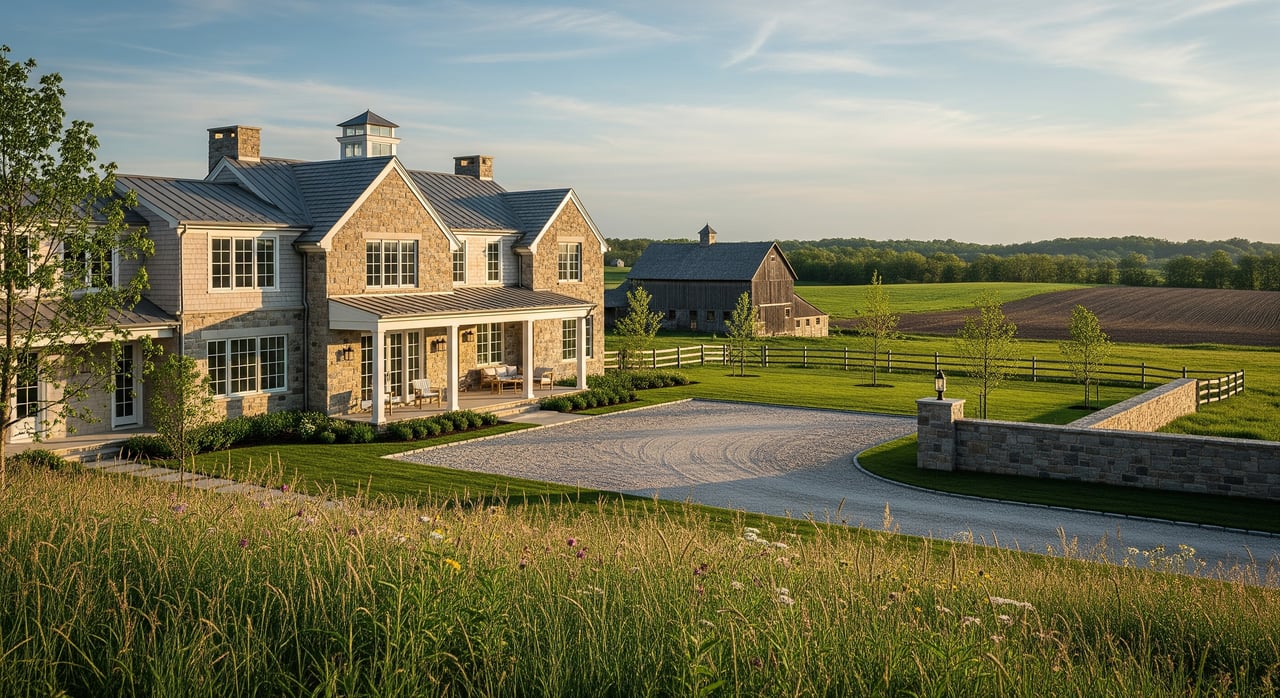
How The Agricultural Reserve Shapes Home Buying
November 21, 2025
November 21, 2025
Thinking about buying a home in Dickerson because you love the quiet roads, open skies, and big views? You’re not alone. Many buyers are drawn to this part of Montgomery County for its space and small-town feel. What makes the area unique is the Agricultural Reserve, a county policy that shapes what gets built, where it’s built, and how you can use land. In this guide, you’ll learn how the Reserve affects inventory, lot sizes, rules, and daily life so you can shop with confidence. Let’s dive in.
The Montgomery County Agricultural Reserve is a large, protected rural area created through the county’s planning policies beginning with the 1980 General Plan. It spans roughly 90,000 acres in the up-county, including land around Dickerson. The goal is to preserve farmland and open space, protect streams and forests, and direct growth to designated towns and suburban areas.
To do that, the county uses a mix of tools. Zoning limits density and sets large minimum lot sizes. Transferable Development Rights (TDR) and purchase of development rights (PDR) help shift development potential out of the Reserve to growth areas. Conservation easements, including state programs like the Maryland Agricultural Land Preservation Foundation (MALPF), restrict subdivision and certain uses on preserved properties. Environmental rules for forests, stream buffers, and stormwater also shape where a house or driveway can go.
Around Dickerson, the Reserve limits small-lot and infill housing. You’ll see more existing rural single-family homes, large-lot properties, and working or preserved farms. New subdivisions are less common, and when they do occur, they often require TDRs or special cluster rules, which makes them more complex to deliver.
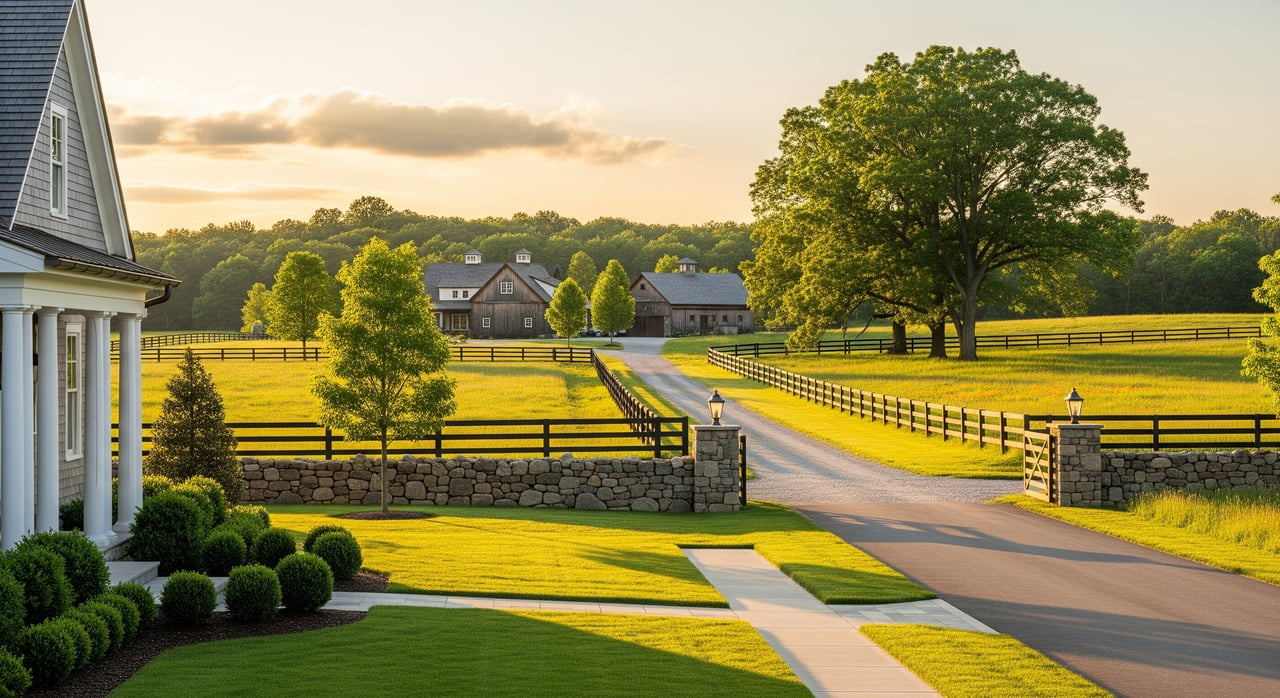
This has real effects on what you’ll find on the market. Many properties are on several acres, with some stretching to tens or even hundreds of acres. Preserved parcels enrolled in programs like MALPF are usually not subdividable and come with long-term restrictions that carry over to future owners. Overall, you’ll shop a smaller, more specialized pool of listings than you would closer to I-270.
Expect variety. Some parcels have a clearly mapped building envelope. Others offer flexibility but still follow minimum-lot and environmental requirements. Minimum acres per dwelling are higher than in suburban neighborhoods, and environmental protections can affect where you site a house, well, septic, and access drive.
When builders want to create smaller lots, they often must assemble TDRs or meet cluster provisions. That adds cost and complexity, which limits how many new homes come to market. Many large parcels have already had their development rights sold or transferred, leaving them as agricultural or conserved land long term.
If a property is under a county or state agricultural easement, the deed will spell out what is allowed and what is not. Common limits include subdivision and certain commercial uses. These restrictions are recorded against title and stay with the land, so it is essential to review them early in your process.
Because the Reserve reduces the number of subdividable parcels, there can be competition for well-located large-lot homes near Dickerson. Per-acre values vary widely based on development potential, encumbrances like easements, and proximity to commuter routes. Preserved farms typically trade on their value as working land rather than future development value. Since inventory and pricing shift quickly, your best route is to rely on current MLS data and a local agent’s guidance during your search.
Buying in the Reserve is doable and rewarding if you plan ahead. A focused checklist helps you avoid surprises.
Living in the Reserve brings privacy, acreage, and easy access to trails, waterways, and scenic landscapes. You may be able to keep horses or other large animals if you follow local zoning and permitting rules. You’ll also be near active farms, agritourism businesses, and seasonal events like farm stands and pick-your-own operations.
On the other hand, you’ll make longer drives to retail, services, and major job centers. Broadband can be limited in certain pockets. Emergency response times may be longer than in denser suburbs. Planning your weekly routines, from grocery runs to kids’ activities, helps the transition go smoothly.
Farming is part of daily life here. Expect seasonal noise, equipment on the roads, occasional odors, and pesticide applications that follow regulatory standards. County policies support ongoing farm operations, so it is wise to understand these norms before you buy.
Up-county services are more dispersed than in suburban hubs. Montgomery County public schools serve the area, and your school assignment depends on the property address. Always confirm current boundaries with Montgomery County Public Schools before you make final decisions.
Dickerson is farther from central job centers than neighborhoods closer to I-270 and I-495, so commute times are typically longer and vary by route and time of day. Some residents use regional rail or commuter bus options where available. Check current schedules and station locations, and test-drive your commute during peak hours to calibrate expectations.
Working with the right professionals protects your timeline and your budget.
If you want room to breathe, a garden, or a small farm lifestyle within reach of the metro area, Dickerson and the surrounding Reserve can be a great fit. The key is to pair your wish list with clear due diligence on wells, septic, easements, and buildability. A local guide who knows the Reserve can help you navigate supply, set realistic expectations, and line up the right inspections and approvals.
Have questions or want to map a search strategy around your timeline and budget? Reach out to James E Brown for neighborhood insights, property strategy, and a smooth path from first tour to closing.
Jim Brown is dedicated to helping you find your dream home and assisting with any selling needs you may have. Contact Jim today to start your home searching journey!