Thinking about a little more elbow room in Upcounty, but not sure if acreage or a suburban lot is a better fit? You are not alone. Barnesville and the surrounding Montgomery County countryside offer both quiet rural parcels and classic neighborhood settings, each with its own rewards and responsibilities. In this guide, you will learn the key tradeoffs, what to check during due diligence, and how these choices affect costs and resale in the Barnesville area. Let’s dive in.
Barnesville and the Ag Reserve
Barnesville sits within the rural northern part of Montgomery County that is shaped by the Agricultural Reserve. This county policy protects farmland and open space, and it influences zoning, allowed uses, and whether parcels can be subdivided. In practice, many larger lots around Barnesville have restrictions that limit future development or intense use. Expect different rules than you would find in denser suburbs closer to the I‑270 corridor.
Zoning and parcel size
Large parcels near Barnesville are often zoned for agricultural or low‑density residential use. Some are encumbered by conservation or agricultural easements that limit subdivision, building placement, or commercial activities. If you want to add structures, run a home‑based business, or consider long‑term value through subdivision, confirm what the county allows on that specific parcel. Do not assume that acreage automatically translates to flexible building rights.
Services and infrastructure
Public water and sewer are limited in much of the Agricultural Reserve. Many acreage homes rely on private wells and on‑site septic systems. Subdivision homes are more likely to have public water and sewer, sidewalks, street lights, and county‑maintained roads. Rural locations can also have more variable broadband and cellular coverage, so confirm service at the actual address before you write an offer.
Lifestyle tradeoffs at a glance
When you compare acreage with suburban lots, you are really choosing between two lifestyles. Both can work well in Barnesville, but they feel different day to day.
Privacy and space
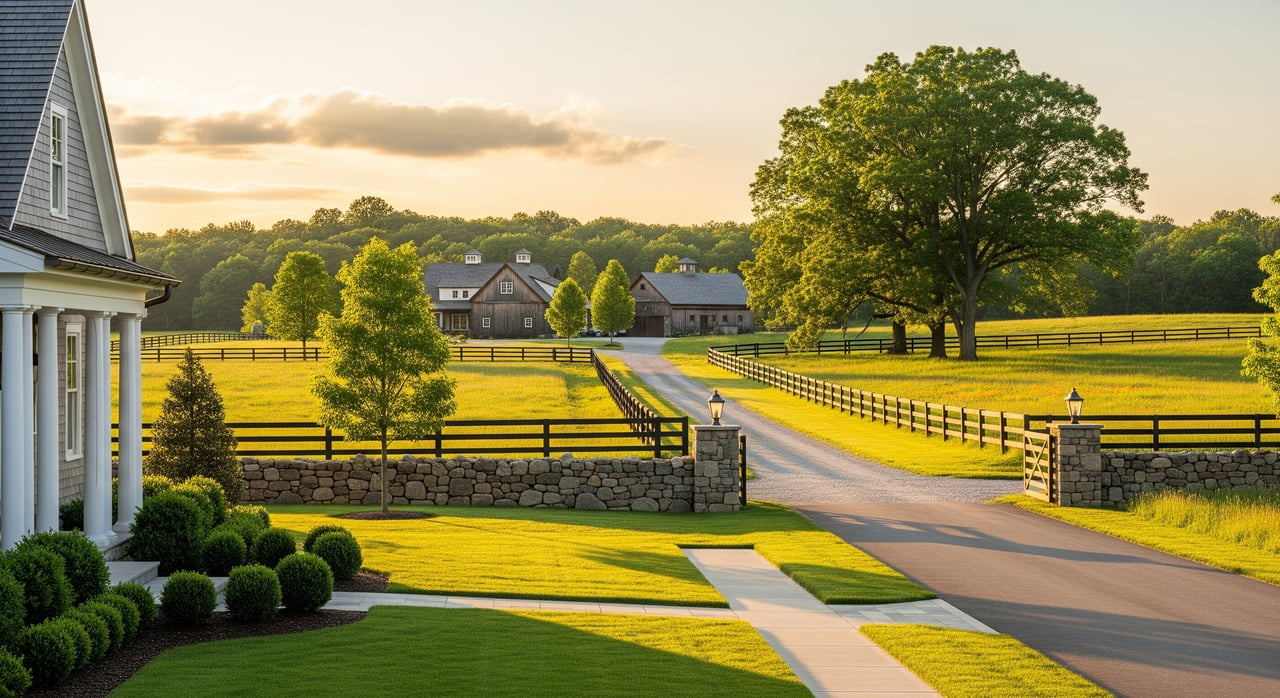
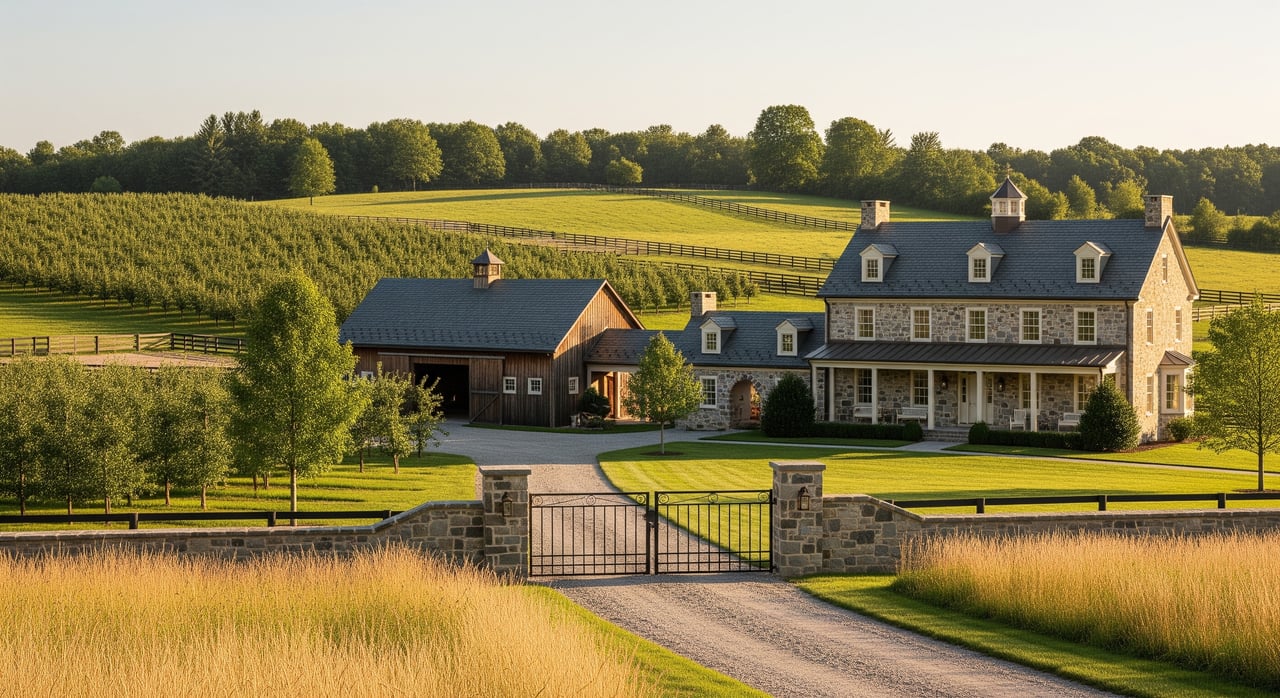
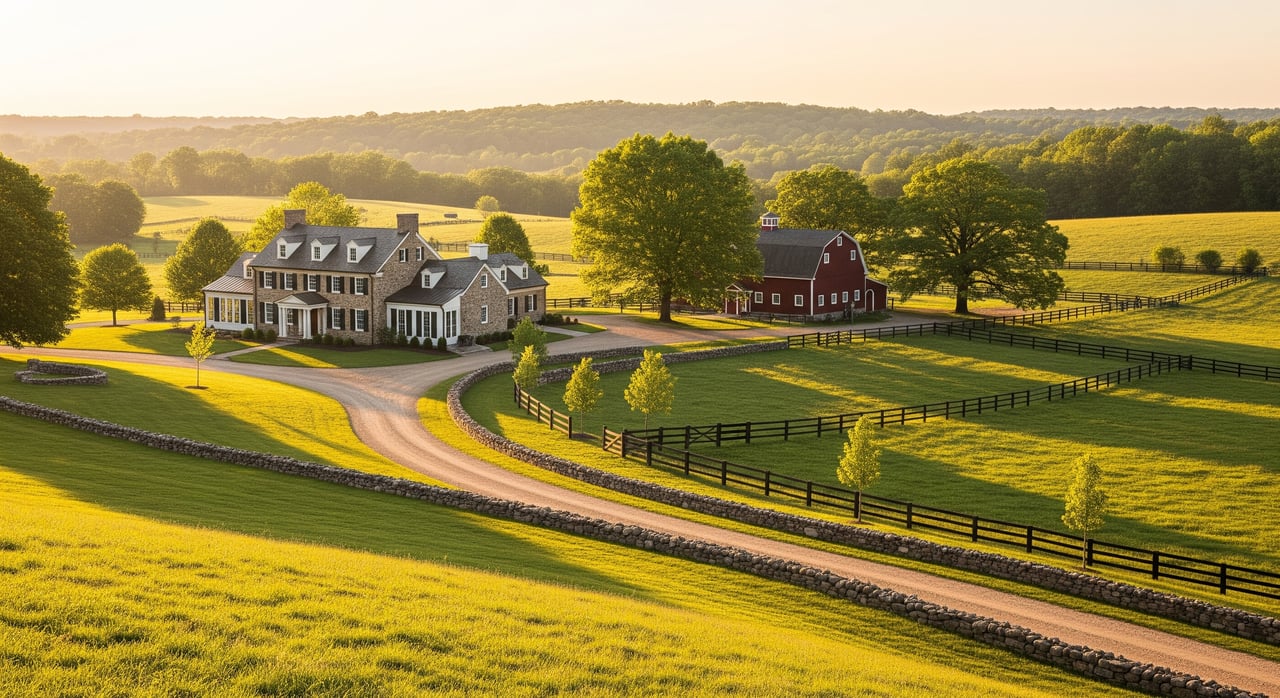
- Acreage: More separation from neighbors, room for hobbies like gardening, horses, or a workshop, and a quiet, rural setting.
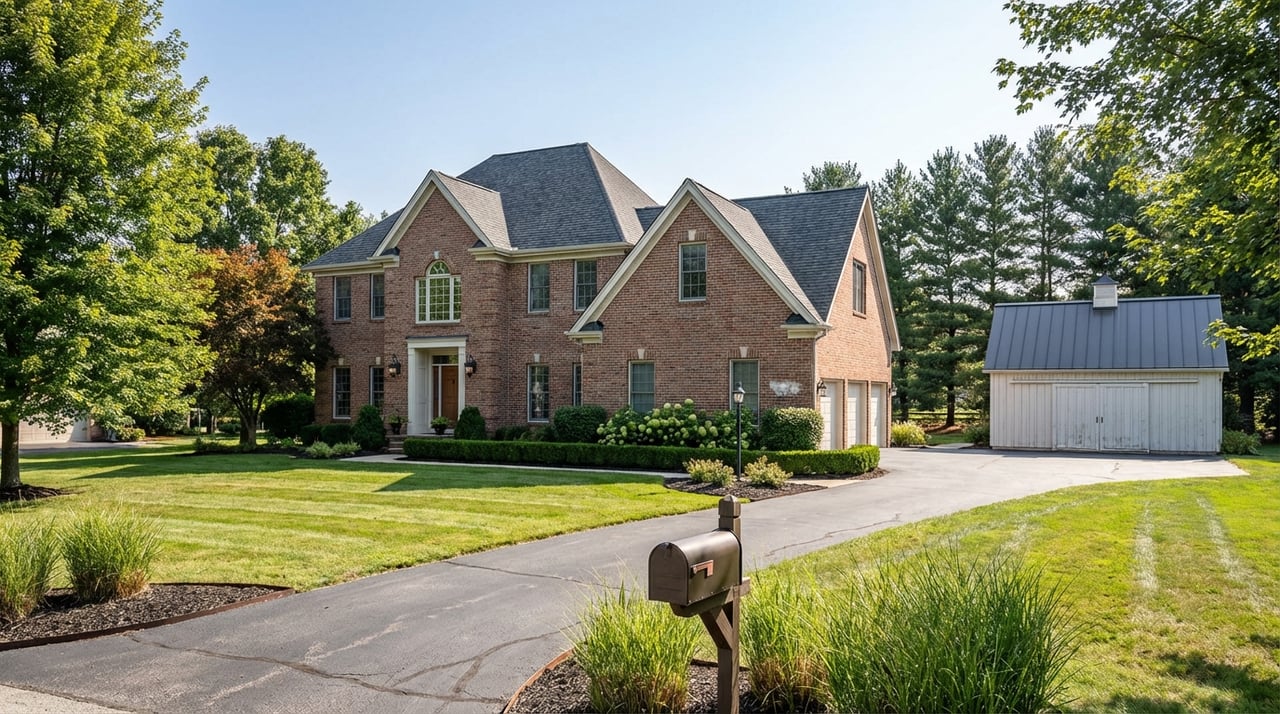
- Suburban lots: Smaller yards and closer neighbors, with a neighborhood feel and nearby parks or shared amenities.
Maintenance and time
- Acreage: Expect more upkeep. Field mowing, tree care, fence repair, private driveway and outbuilding maintenance take time or contractor support. If access is by a private lane, you may share road work costs through an agreement.
- Suburban lots: Smaller yards mean less personal maintenance. Many neighborhoods have HOAs that handle common areas, funded by HOA dues or municipal taxes.
Utilities and systems
- Acreage: Private well and septic are common. Wells should be tested for quality and yield, and septic systems need regular inspection and pumping. Replacement and permitting can add cost and time.
- Suburban lots: Higher chance of public water and sewer, which reduces owner responsibility for these systems and simplifies future projects.
Amenities and access
- Acreage: Plan for longer trips to grocery stores, medical care, and entertainment. Commutes to Germantown, Gaithersburg, Rockville, or DC can be longer and less predictable.
- Suburban lots: Closer to retail, services, and transit nodes, with shorter, more consistent commutes for many households.
Wildlife and environment
- Acreage: You may see more deer and other wildlife and face added tick and invasive plant management. Forested lots can involve tree liability and forest conservation rules. Wetlands or steep slopes can limit where you can build.
- Suburban lots: Fewer encounters with large wildlife, and stormwater systems are often managed by the municipality or HOA.
Cost factors and resale
Your choice also affects long‑term costs and how the property will perform when you sell.
Buyer pool and liquidity
- Acreage: Appeals to a narrower set of buyers who value privacy, space, or specific uses like equestrian or hobby farming. These homes can take longer to sell, but stand‑out features or permitted uses can support a premium.
- Suburban lots: Attract a broader range of buyers and often have stronger resale liquidity in most market cycles.
Pricing drivers
- Acreage value: Driven by usable and buildable acreage, utility access, quality of site improvements, road access, and any easements that limit use or future subdivision.
- Subdivision value: Influenced by recent neighborhood sales, proximity to services and transit, and local amenities.
Financing and appraisal
Financing acreage or farm‑style properties can be more complex. Appraisers need comparable sales of similar land, which are not always abundant, and some lenders may require larger down payments or specialized loans. If acreage is your target, get preapproved with a lender experienced in rural Montgomery County properties and keep an appraisal contingency in your plan.
Due diligence checklist for Barnesville buyers
Use this list during the contract period to reduce surprises, regardless of whether you pursue acreage or a suburban lot.
- Zoning and allowed uses
- Confirm the current zoning and any recorded conservation or agricultural easements. Ask how these affect building envelopes, home‑based businesses, and subdivision rights.
- Utilities and waste systems
- Verify water source and sewer type. For wells, obtain the well log and recent test results. For septic, collect design and service records and consider a percolation test or site evaluation if needed.
- Access and road responsibility
- Identify whether the road is public or private. If private, request road maintenance agreements and recent invoices. Confirm legal access with recorded easements.
- Environmental and site constraints
- Check floodplains, wetlands, slopes, forest conservation requirements, and any known contamination or past agricultural chemical use.
- Survey and boundaries
- Order a recent boundary survey to locate fences, outbuildings, well, septic, and any easements or conserved areas.
- Permits and inspections
- Confirm required building, well, septic, and driveway permits with the county. For existing homes, review inspection reports for structural, roof, HVAC, well, and septic systems.
- Taxes and insurance
- Review property tax records and any agricultural or woodland classifications. Ask your insurance carrier about rural risks like well failure, septic backup, or brush exposure.
- HOA and CC&Rs
- For subdivision homes, review HOA bylaws, budgets, meeting minutes, special assessments, and the resale package.
- Local services
- Confirm assigned public services, emergency response expectations, nearest healthcare and grocery options, and broadband and cell coverage for the address.
Who benefits from acreage vs suburb
Choosing the right setting comes down to your daily routine and tolerance for maintenance.
- Acreage may fit you if you want privacy, room for outdoor projects, and are comfortable managing or contracting for well, septic, driveway, and land care. You value space over quick access to amenities.
- A suburban lot may fit you if you prefer lower daily maintenance, predictable services, and closer proximity to retail, recreation, and commuting routes.
Commuting and connectivity check
Before you decide, test your commute from Barnesville during typical rush times and on weekends. Confirm cellular strength and broadband options at the actual house location, not just the street. If you rely on fast internet for work, availability should be a go or no‑go factor. Do the same for rideshare and delivery services so your expectations match reality.
How to choose with confidence
Walk the land or neighborhood in different seasons and times of day. Listen for road noise, note prevailing winds, and observe drainage patterns after a rain. If you are leaning toward acreage, budget time and funds for well and septic due diligence, driveway and tree care, and potential equipment storage. If a subdivision home is your path, review HOA documents early so you are comfortable with exterior guidelines and use rules.
Work with a local guide
Around Barnesville, small details make a big difference. Rules in the Agricultural Reserve, private road agreements, and rural utility systems require careful attention during a contract. You want a partner who understands Upcounty, has experience with both acreage properties and suburban neighborhoods, and communicates clearly from first showing to closing.
If you are weighing acreage versus a suburban lot in Barnesville and want a clear, local path forward, reach out to James E Brown for straight answers and next steps.
FAQs
What is the Agricultural Reserve in Montgomery County?
- It is a county policy area that protects farmland and rural character, which influences zoning, parcel sizes, and limits on subdivision and development near Barnesville.
How do wells and septic affect ownership costs?
- Private wells and septic systems require testing, regular maintenance, and eventual replacement, which adds recurring tasks and potential repair costs compared with public water and sewer.
What should I check about private road access in rural Barnesville?
- Confirm recorded access easements and whether the road is private or public, then review any road maintenance agreements and recent invoices for shared costs.
Are HOA rules different from county zoning on subdivision lots?
- Yes, HOAs can add rules that are more restrictive than county code on appearance and use, but they do not replace county requirements and standards.
How does resale differ for acreage versus suburban homes?
- Acreage can appeal to a narrower buyer pool and may take longer to sell, while suburban homes often draw more buyers and can offer greater liquidity.
Are there special financing issues with acreage near Barnesville?
- Some lenders require larger down payments or specialized loans for rural or large‑acre properties, and appraisals can be complex due to limited comparable sales.