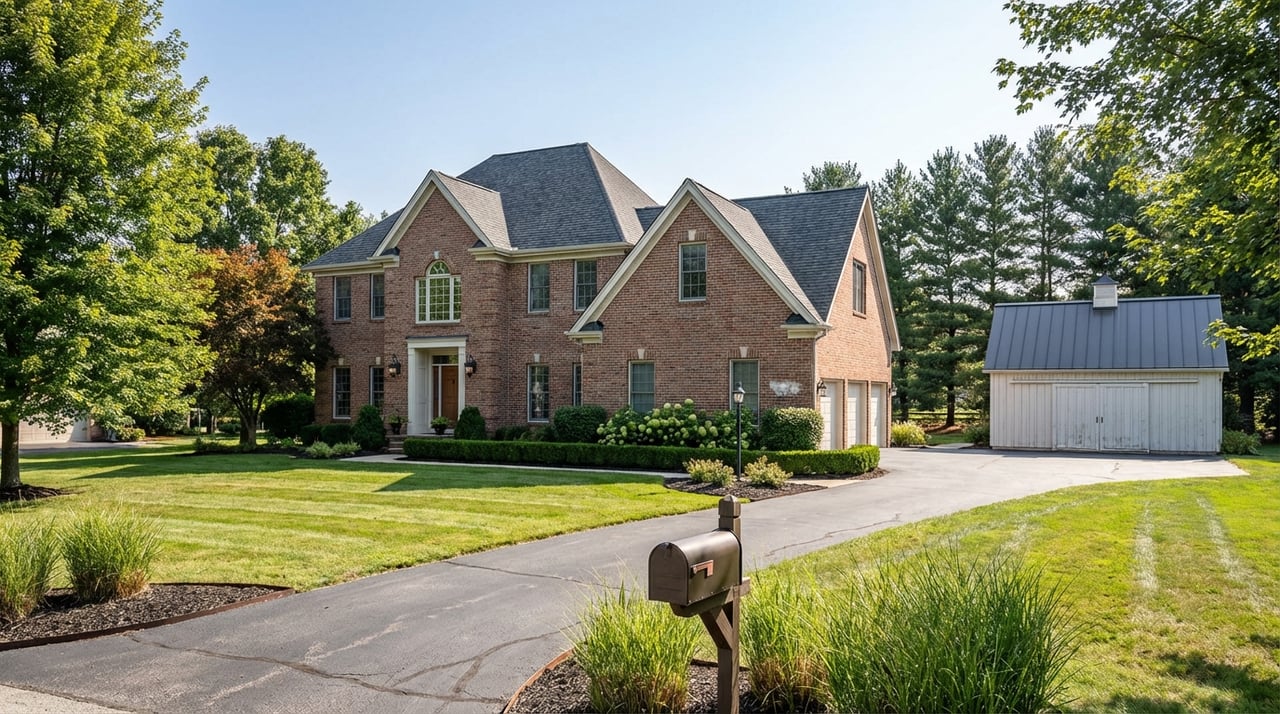
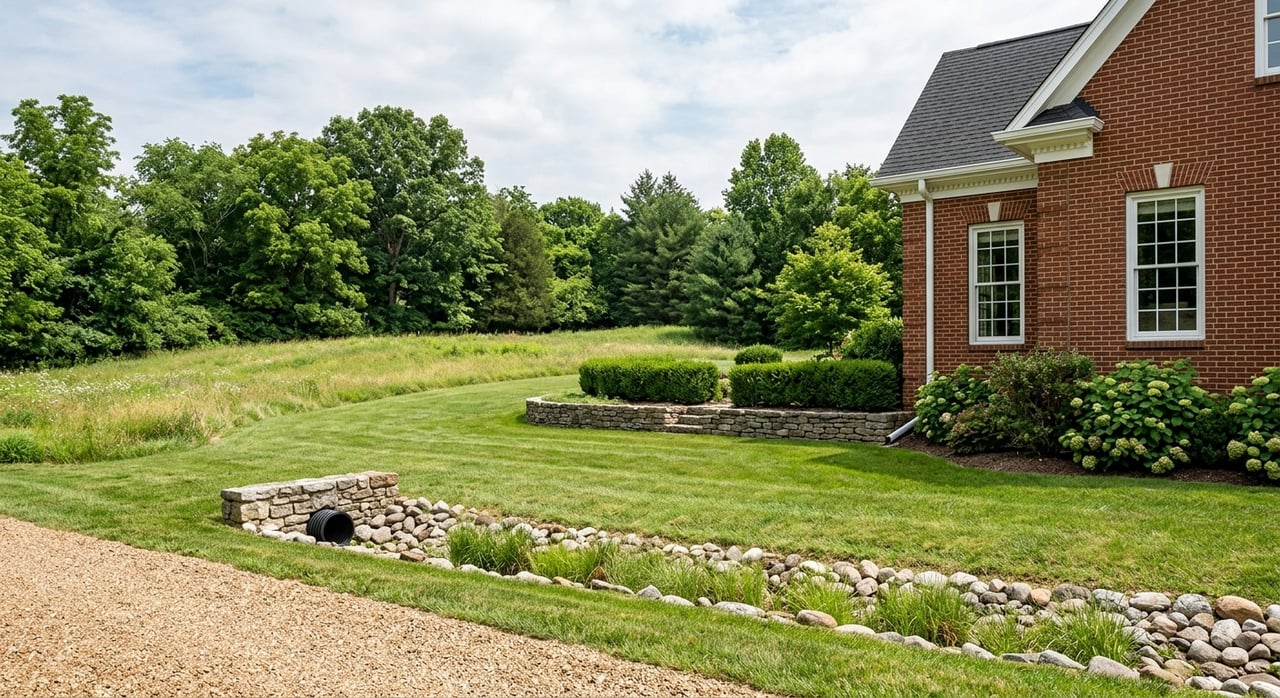
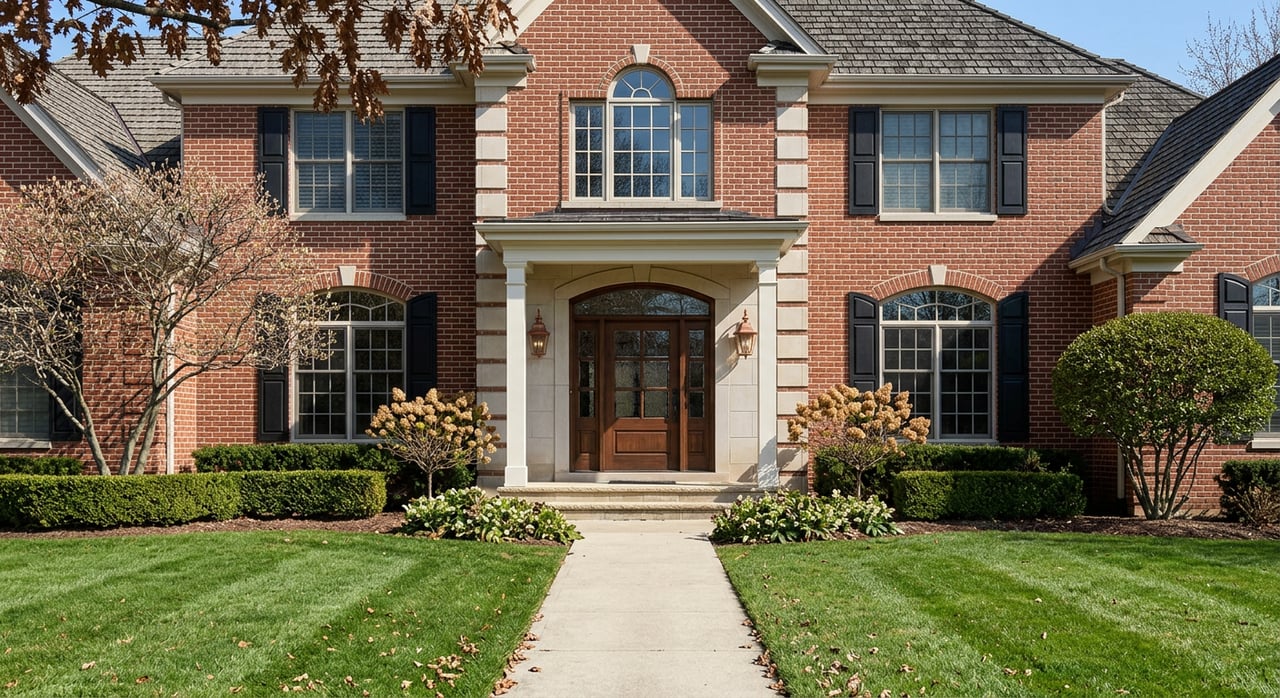
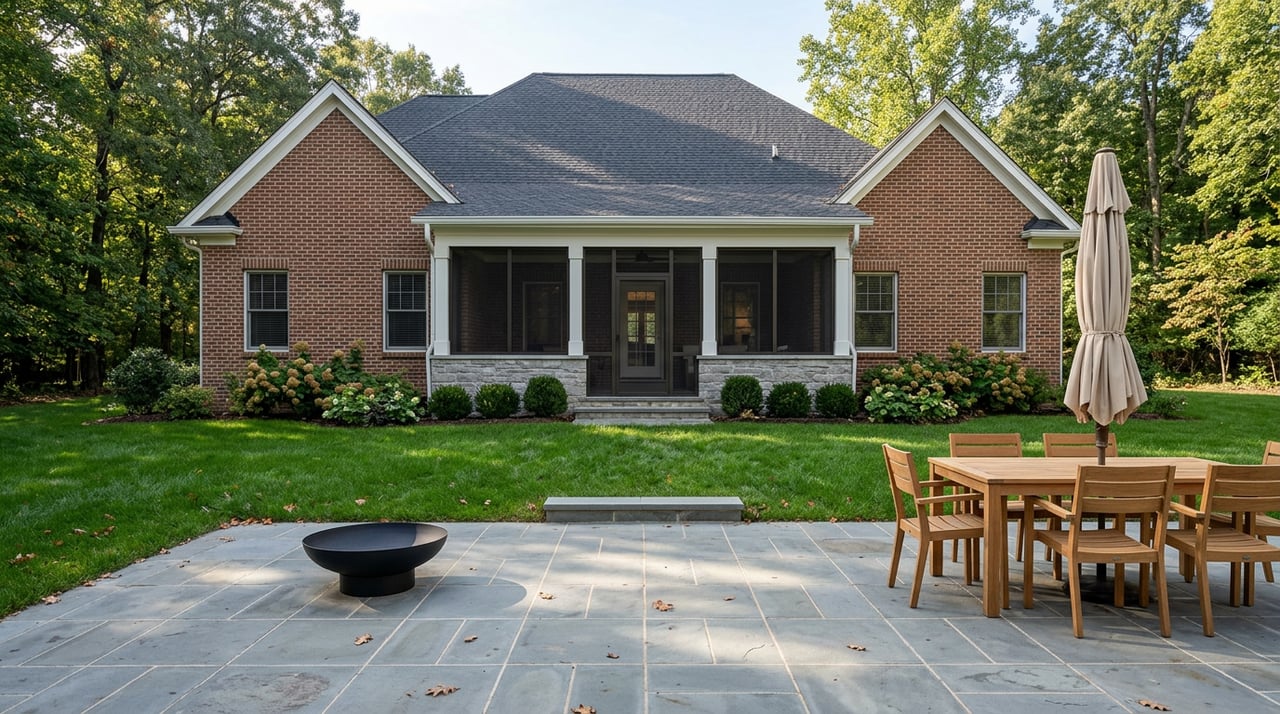
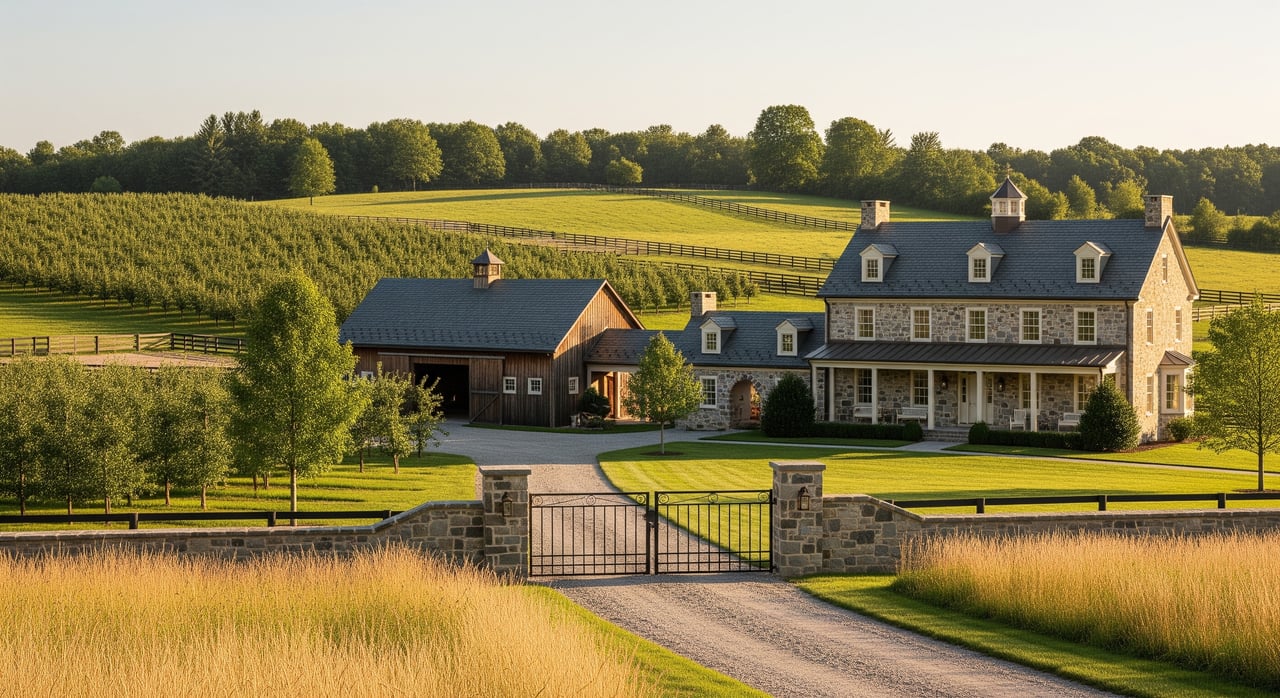
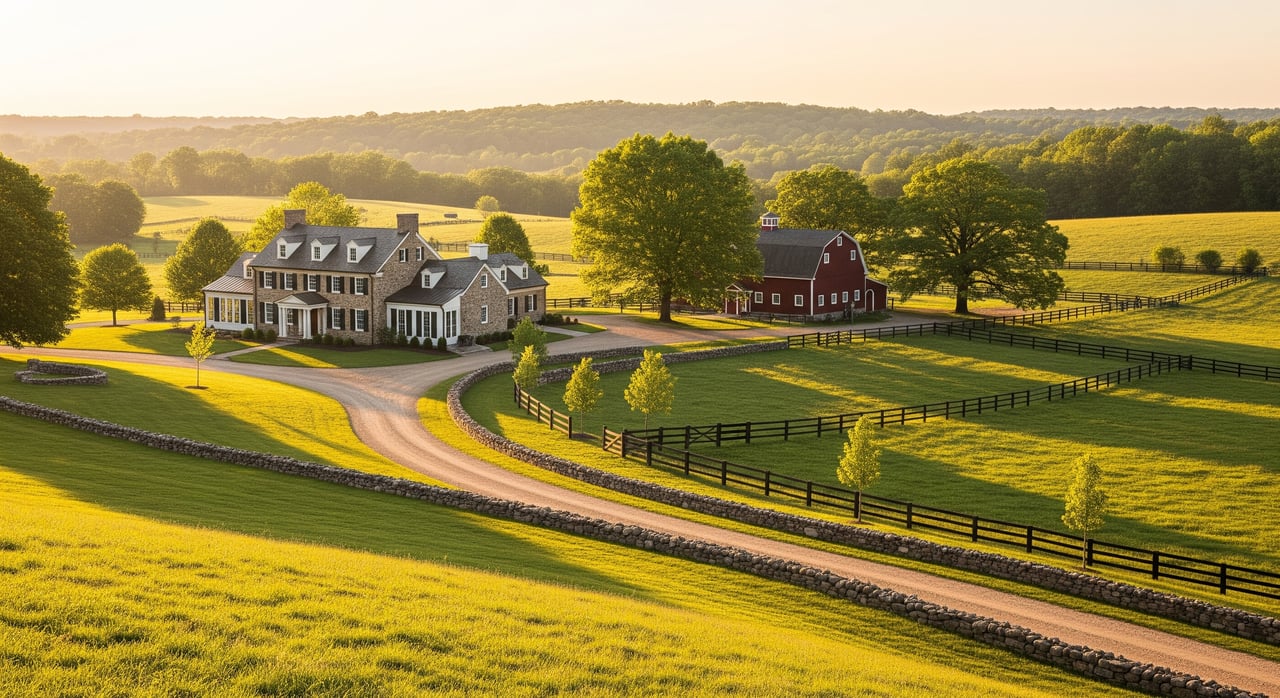
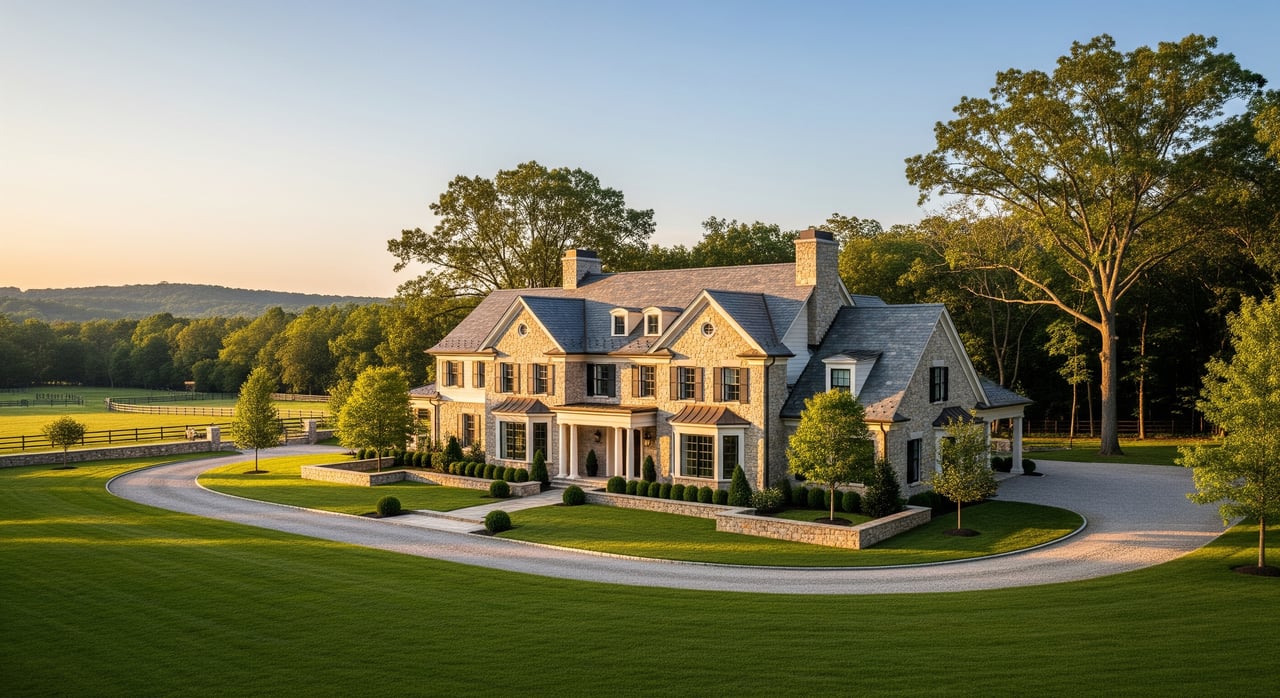
Selling a home on acreage in Darnestown is different from listing an in‑town property. You are selling the land, lifestyle, and long‑term potential as much as the house. The right prep can reduce risk, attract the right buyers, and help you close smoothly at a strong price. In this guide, you’ll get a practical, local roadmap that covers permits, wells and septic, surveys, visuals, and a month‑by‑month plan. Let’s dive in.
Know what Darnestown buyers value
Darnestown sits in northwest Montgomery County with rolling hills, larger lots, and easy access to park corridors. The setting is largely rural and residential with a calm, private feel that still offers reasonable routes to I‑270 and the DC metro area. If you highlight privacy, usable land, and outdoor living, you’ll meet the top expectations for the area. Learn more about the setting in this overview of Darnestown’s local context.
The National Association of REALTORS reports that availability of larger lots influences neighborhood choice for about 28% of buyers. Agents also remain the most trusted source of information across generations. Use these signals to showcase usable acreage features like paddocks, clearings, trails, and nearby park access. You can review the preferences in the latest NAR Home Buyer and Seller Generational Trends.
Start with disclosures, title, and easements
Maryland requires that you provide buyers with either the Residential Property Condition Disclosure Statement or a Disclaimer Statement. You must still disclose known latent defects. Delivering this on time protects your deal timeline and keeps you compliant. Review the statute here: Maryland Real Property §10‑702.
Early in your prep, pull your deed and title abstracts. Confirm any recorded easements, agricultural restrictions, or BLT/TDR encumbrances that can limit future uses or subdivision. Parcels near the Agricultural Reserve or county parklands may have restrictions that travel with the title and must be disclosed. The county’s planning and open space resources explain how these programs shape land use; see the county’s park and planning guidance on preserved lands and easements.
Verify permits and property systems
Accessory buildings and storage
Montgomery County generally requires permits for detached accessory structures like barns, sheds, detached garages, and pool houses. Placement rules and any electrical or mechanical work may have separate permits. If you have older or improvised outbuildings, confirm what was permitted and what was not before you list. Start here: County accessory structure permit guidance.
Temporary storage containers can also trigger review if they sit on site for more than a short window or encroach in the right‑of‑way. If you plan to use a container while cleaning out, check county rules before delivery.
Driveways and work in the right‑of‑way
Driveway installations or repairs, retaining walls over certain heights, and any work that intersects the county right‑of‑way often require permits. Sight distance, driveway width, and emergency access may be reviewed. Confirm requirements early so needed work does not delay your launch. See the homeowner permits overview.
Private wells
If your property has a private well, assemble well logs, pump service receipts, and recent water tests for buyers. The county reviews well permits and requires flow testing after drilling. In many parts of the county, a new potable well approval can be issued at a minimum flow as low as 1 gallon per minute, which has practical daily use implications. Potable use requires sampling and a Certificate of Potability. Read the county’s guidance on onsite well testing and permitting.
Septic systems
Plan a pre‑listing septic inspection and pump service if overdue. The county requires permits for new systems and for repairs or upgrades. If you or a future buyer plan an addition, septic conditions can affect the building permit timeline. Keep your pump receipts, repair permits, and any percolation or soils tests handy. Review the septic permit process.
Forest conservation and specimen trees
Montgomery County’s Forest Conservation Law limits tree and forest clearing that is tied to development or land‑disturbing activity. Updates in 2023 increased the importance of compliance. If any clearing or timber activity occurred, verify that it followed Chapter 22A rules. Some projects require a forest conservation plan, mitigation planting, fees, or variances for specimen trees. Get oriented with the county’s environment and forest conservation resources.
Agricultural Reserve and recorded restrictions
Acreage near the Agricultural Reserve can carry BLT/TDR or agricultural easements that limit subdivision or non‑agricultural uses. Confirm status early and disclose recorded restrictions. Buyers will ask, and lenders may require clarity.
Your 6–18 month prep roadmap
The most effective approach in Darnestown is to handle legal and system risks first, then make the land easy to understand and love.
Months 1–3: Legal and disclosures
- Pull your deed, title abstract, and recorded easements. Confirm any BLT/TDR or conservation restrictions.
- Complete Maryland’s required disclosure or disclaimer form and prepare to disclose any known latent defects. See §10‑702.
Months 2–6: Systems, safety, and inspections
- Well service and testing. Schedule a licensed well pro to test flow, pressure, pump function, and water quality. Keep all service records organized.
- Septic inspection and pumping. A routine pump and inspection typically runs in the low hundreds of dollars, while more extensive repairs or replacement vary widely. Budget conservatively so you can move fast if issues appear.
- Core systems check. Address small items with your roof, HVAC, and chimneys, and keep receipts and warranty info. Buyers and appraisers appreciate clear documentation.
Months 3–9: Site, access, and land presentation
- Driveway and parking. Refresh gravel, regrade, and repair potholes. If you consider resurfacing, get multiple bids and confirm any permit needs first.
- Tree and vegetation work. Remove hazardous limbs, open sight lines to the house and pasture, and repair perimeter fencing. Provide any arborist reports and keep receipts.
- Outbuildings and fences. Clean, repair, or remove small unpermitted structures after you check permit options with the county.
- Pasture and paddocks. Mow, seed thin spots, and repair gates. Clear, well‑kept fields signal pride of ownership and reduce buyer uncertainty.
Months 6–12: Visuals, maps, and light refreshes
- Aerial and edited video. Drone photography pays off on acreage because it clarifies lot size, approach in and out, proximity to parks or water, and how paddocks are laid out. Many shoots are modestly priced and come with a short video that you can reuse in social ads. For a quick primer on value, see this drone marketing overview.
- Survey or lot map. If your survey is old or missing, order one. Clear boundaries reduce friction during due diligence and can speed appraisals.
- Interior tune‑ups. Neutral paint, decluttering, small repairs, and targeted updates outpace big remodels in return on investment. Share receipts for any major recent replacements.
Months 9–18: Permits, final docs, and launch
- If you plan permitted upgrades like a detached garage or stabilized parking, start applications early. Some smaller items can use Fast Track review, but septic or land‑disturbing work will follow standard timelines.
- Build your property packet for buyers. Include the survey, deed and easement abstracts, well logs and recent water tests, septic inspection and pump records, any repair permits, forest or tree documentation, and both ground and aerial photos. Add your completed Maryland disclosure form.
Position your acreage listing to win
A strong acreage listing blends documentation, visuals, and a clear use narrative.
- Property packet. Lead with clear, organized documents that remove guesswork. Title and easements, BLT/TDR status, well and septic records, any permit history, survey, and tree or forest conservation info should be easy to access. Buyers read confidence from clean files.
- Visual marketing. Combine professional interior and exterior photography with drone stills and a short video. Use boundary overlays on a few aerials so buyers grasp the lot in seconds. This is especially helpful for out‑of‑area buyers touring online first.
- Narrative and use cases. Describe functional land uses that buyers can picture, such as equestrian, hobby farming, gardening, and trails. Be specific about permitted improvements, fencing condition, barn size, and storage.
- Targeted outreach. Highlight acreage benefits on MLS and regional portals, and share coming‑soon previews with equestrian groups and local farm networks. Many Darnestown buyers are moving up from denser suburbs and shopping remotely, so clear visuals and practical details matter.
- Pricing and comps. Price per acre alone is rarely a useful benchmark. Compare recent sales with similar lot sizes, house condition, outbuildings, driveway type, and proximity to commuter routes.
- Open house strategy. Schedule daylight hours so buyers can walk fields and inspect boundaries. Provide printed packets on site and a digital version in the listing.
Common delays to prevent
- Septic issues. Marginal or failed systems can cause lender concerns and schedule slips. An inspection and plan for repair or credits keeps momentum.
- Well capacity or water quality. Buyers and lenders may ask for lab tests and pump documentation. Having recent results ready helps.
- Recorded easements or BLT/TDR restrictions. These can limit future division or non‑ag uses. Disclose early so buyers price and plan correctly.
- Forest Conservation questions. Unpermitted clearing or missing mitigation can trigger corrective requirements. Verify compliance.
- Driveway and access. Right‑of‑way questions or limited fire access can stall permits or insurance. Confirm any needed upgrades early.
Ready to list your Darnestown acreage?
You do not have to tackle this alone. With the right plan, you can turn your acreage into a clear, compelling story that resonates with qualified buyers and keeps your contract on track. If you are thinking 6 to 18 months ahead, now is the time to align permits, systems, visuals, and documents. For a free home valuation or a tailored prep plan, connect with James E Brown. You will get hands‑on guidance, local insight, and full‑service marketing designed for up‑county acreage.
FAQs
What documents do I need to sell a Darnestown home on acreage?
- Assemble your deed and easement abstracts, BLT/TDR or conservation records if any, survey, well logs and recent water tests, septic inspection and pump receipts, any repair permits, and Maryland’s disclosure or disclaimer form.
How do agricultural easements and BLT/TDR affect my sale?
- Recorded easements and BLT/TDR restrictions travel with title and can limit subdivision or non‑agricultural uses, which affects value and future plans; confirm status early and disclose to buyers.
What if my well’s flow seems low?
- In many parts of the county, new well approvals can be issued at flows as low as 1 GPM, so gather your well logs, pump service records, and recent water tests to help buyers understand performance and any upgrade options.
Do I need permits for my old barn or shed?
- Many detached accessory structures require permits, and older or improvised outbuildings may not be compliant; verify status with the county and decide whether to permit, retrofit, or remove before listing.
How far in advance should I start preparing?
- Begin 6 to 18 months ahead so you can address permits, well and septic checks, tree or driveway work, and order a survey if needed without rushing.
Is drone photography worth it for acreage listings?
- Yes, aerial stills and a short video help buyers grasp lot size, approach, and land use in seconds, increasing online engagement and supporting faster, cleaner showings.