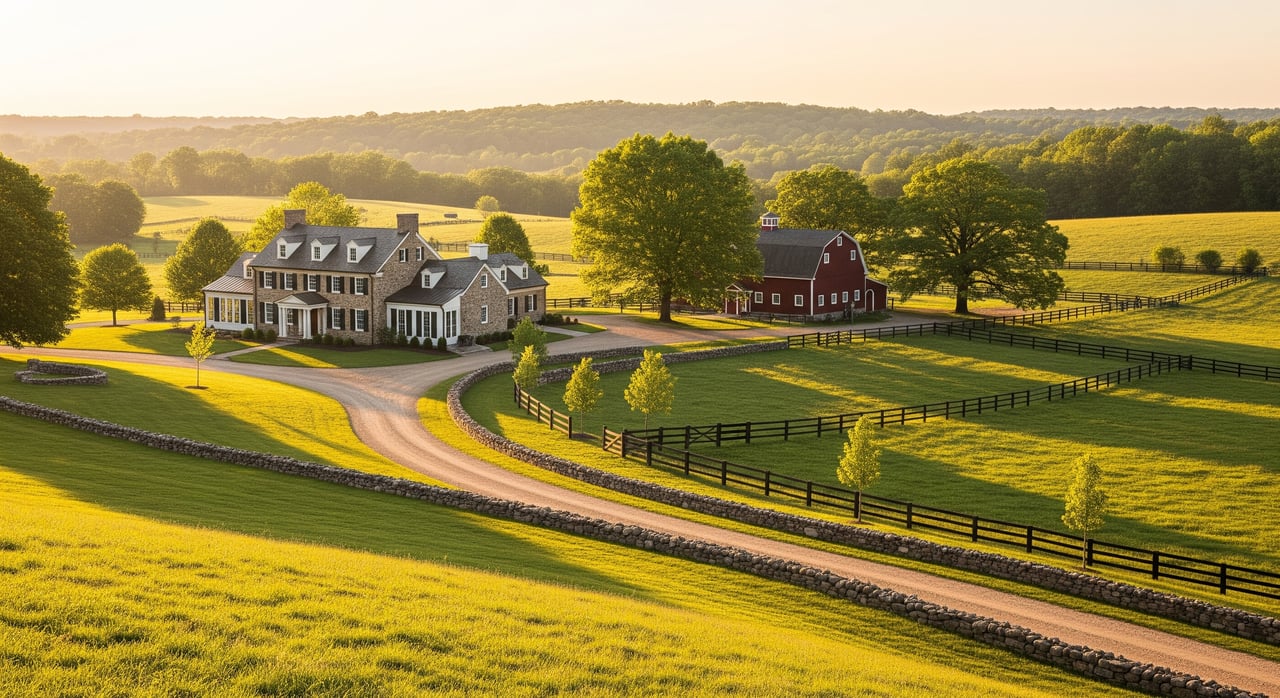
Pricing Homes With Acreage In Boyds
January 15, 2026
January 15, 2026
Thinking about selling a home with acreage in Boyds and unsure how to price it? You’re not alone. Rural and large-lot properties live by different rules than subdivision homes, and the right strategy can make the difference between a quick, confident sale and months of waiting. In this guide, you’ll learn how usable acres, outbuildings, utilities, and local comps shape value, plus the steps to document and market your land effectively. Let’s dive in.
Boyds sits in western Montgomery County, where rural character and larger lots are common. Some areas are within the county’s Agricultural Reserve, which limits development potential and influences buyer expectations. These factors change how you approach price.
The buyer pool for acreage is more specialized. You might attract equestrian or hobby‑farm buyers, privacy seekers who want wooded settings, or buyers who need space for outbuildings. Because the pool is smaller, mispricing often leads to longer days on market. A clear, well‑documented value story can keep momentum.
Access matters. Proximity to I‑270, MD‑355, and nearby employment and retail in towns like Clarksburg, Germantown, Rockville, and Frederick shapes the tradeoff buyers make between acreage and commute time.
Gross acreage is only the starting point. Buyers pay most attention to the part of your land they can actually use. That means level, accessible areas outside floodplains, wetlands, or steep slopes. Easements and conservation requirements can also reduce usable acreage.
Define three terms clearly for your listing: gross acres, buildable acres under local rules, and acres impacted by easements or regulated areas. A current boundary survey and a simple site plan that highlights usable land make pricing and marketing more effective.
Remember that value per acre often diminishes as total acreage increases. The first few acres close to the home usually carry more weight than the distant back acres. Adjust your expectations accordingly.
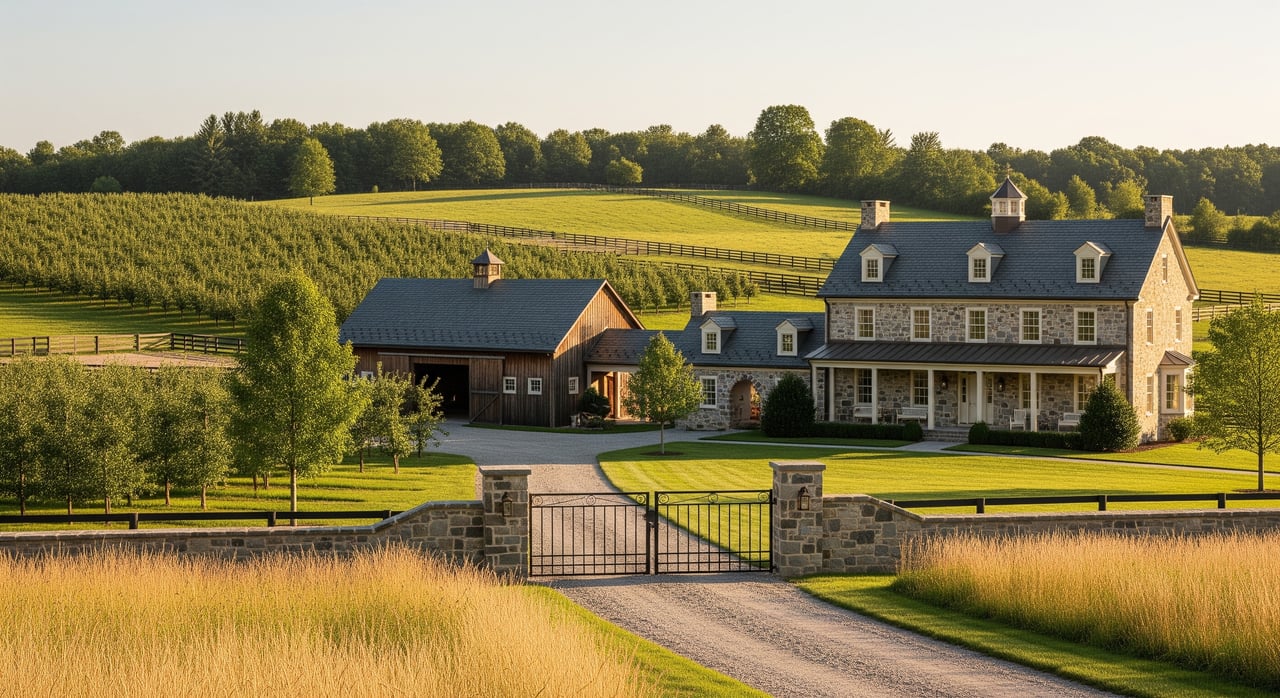
Outbuildings can expand your buyer pool and add value, but only when they’re functional and properly permitted. Barns, riding arenas, workshops, guest cottages, fenced paddocks, and driveable farm access are attractive to many acreage buyers.
Keep documentation handy. Permits, final inspections, and any certificate of occupancy for living spaces make buyers more confident. Unpermitted or poor‑condition structures often trigger discounts or repair credits.
When estimating value, think in two parts. Land value is one piece, and the contributory value of outbuildings is the other. Replacement cost can guide you, but market value for improvements is often lower than what it cost to build.
Many Boyds properties rely on private wells and septic systems. Capacity, condition, and documentation directly affect price and buyer confidence. If possible, provide recent well yield tests, septic inspection reports, and maintenance history before hitting the market.
Other site features matter too. Driveway condition and access, electrical service capacity, propane systems, and backup power options can all influence perceived risk and value. Reduce unknowns to strengthen your price.
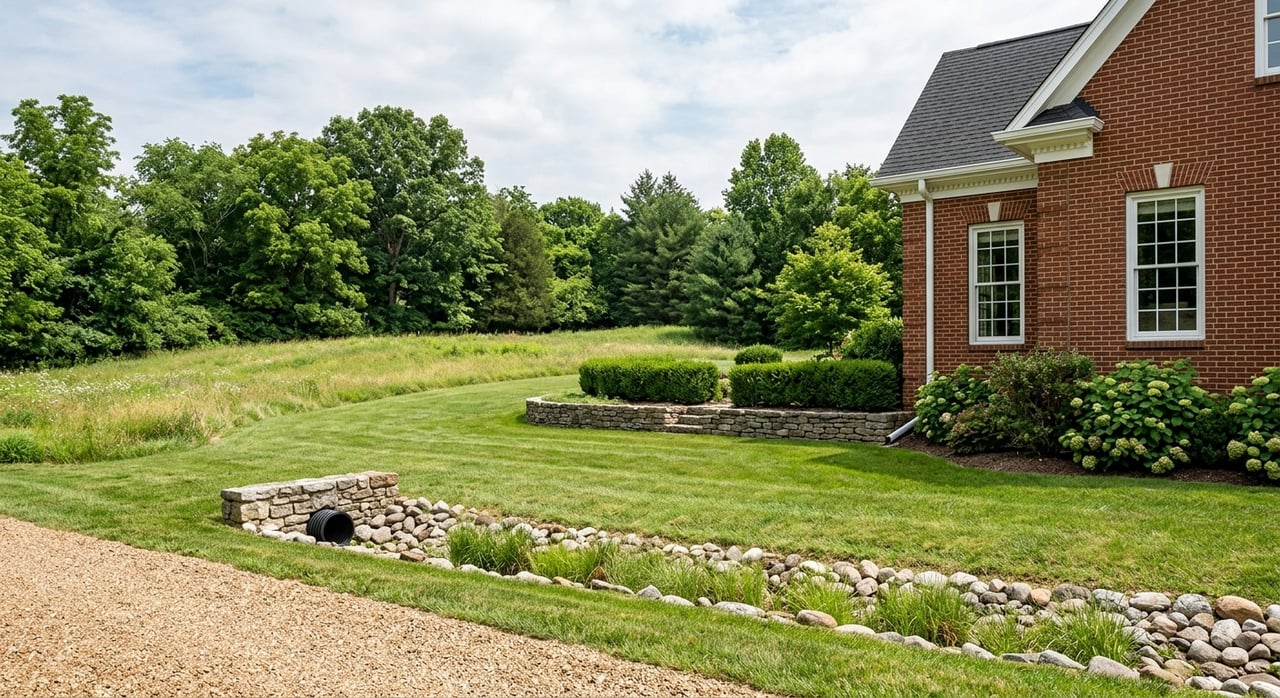
Privacy, mature trees, scenic views, and water features can support premiums. At the same time, wetlands and stream buffers may limit how you can use the land. Be ready to show where those areas are on a map.
Micro‑location is big in Boyds. Distance to commuter routes and nearby services shapes demand. School cluster assignment within Montgomery County Public Schools can also influence buyer expectations. Use neutral, factual language and let documentation speak for itself.
Pricing starts with a clear submarket. Stay as close as possible within Boyds and similar nearby micro‑areas. Focus on properties with similar usable acreage, zoning, and buyer‑use profile.
Use a two‑tier comp approach:
Adjust for differences like sale date, living area, condition, usable acreage, outbuildings, utilities, and zoning or restrictions. Avoid relying on list prices or pending sales as primary proof points. Always factor out non‑usable acreage when comparing per‑acre figures.
With a smaller buyer pool, price discipline matters. Overpricing tends to stall showings. Strategic pricing that lines up with clear documentation and the expected buyer segments can pull in qualified interest faster.
Consider how buyers search. Price bands and round numbers can change which results your home appears in. When presenting a recommendation, using a range rather than a single number can help you stay flexible while negotiating.
Gather documentation before you go live. A complete package helps buyers move quickly and reduces discount pressure.
Show the land as clearly as you show the house. Aerial and drone photography helps buyers see the shape of the parcel, the usable portions, and how improvements sit on the site. Include a simple lot map that identifies buildable areas, septic field, floodplain or buffer zones, and easements.
Target the right audiences. Use language that connects with equestrian and hobby‑farm buyers, as well as those seeking privacy or room for outbuildings. Highlight turnkey readiness by including septic and well reports, permits, and utility info in your listing packet.
Allow for longer and flexible showings when needed. Acreage buyers sometimes want to walk fields, confirm access, or bring a consultant for soils or utility questions. Make it easy to say yes.
When questions come up, lead with facts. Soil logs, septic reports, surveys, and permit records help limit discounting for unknowns. If an issue is found, consider a seller‑paid remediation credit tied to a clear estimate rather than reducing price broadly.
Some buyers try to negotiate by separating land and improvement value. Prepare for that with a simple breakdown of land value, house value, and outbuilding contributions. Having a defensible split helps you hold the line.
Review pricing and marketing regularly, typically every 14 to 30 days. If you see low showing activity or repeated objections, look for patterns. Adjust the message, strengthen documentation, or revisit price based on the latest comps.
Targeted price changes can re‑activate buyer interest, especially when tied to a new photo set, updated reports, or a clearer site plan.
Here’s a straightforward workflow that keeps you in control:
Ready to price your Boyds acreage with clarity and confidence? Get a free home valuation or call Jim to discuss your neighborhood. Reach out to James E Brown to start the conversation.
Jim Brown is dedicated to helping you find your dream home and assisting with any selling needs you may have. Contact Jim today to start your home searching journey!